
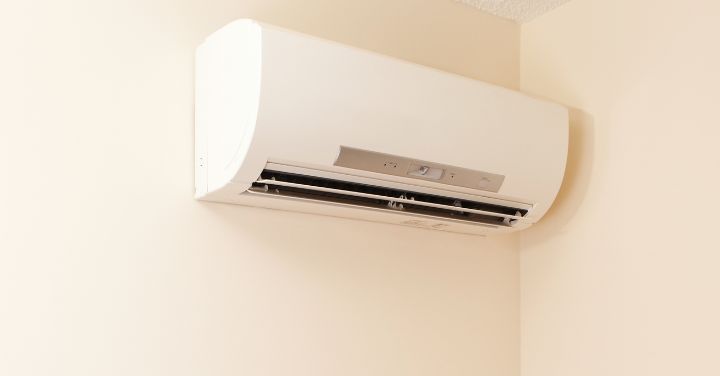
How to Extend the Lifespan of Your Mini Split System
Mini split systems have become one of the most popular heating and cooling solutions for homeowners throughout New York. Their energy efficiency, flexible installation options, zoning capabilities, and year-round comfort make them an attractive alternative to traditional HVAC systems. Whether your mini split serves a single room, an addition, a multi-family property, or an entire home, it represents a significant investment that homeowners naturally want to protect.
Like any mechanical system, the lifespan of a mini split depends heavily on how well it is maintained and operated. While modern mini split systems are designed to provide many years of reliable service, neglecting maintenance or operating the system improperly can shorten its lifespan and lead to costly repairs.
Cool Clean Services helps homeowners throughout New York maintain cleaner, more efficient HVAC systems through professional cleaning and maintenance services. Understanding how to properly care for your mini split can help maximize performance, reduce breakdowns, and extend the life of your equipment for years to come.
How Long Should a Mini Split System Last?
Most quality mini split systems are designed to last between 15 and 20 years, with some systems exceeding that range when properly maintained.
Several factors influence overall lifespan, including:
- Installation quality
- System usage
- Maintenance frequency
- Environmental conditions
- Indoor air quality
- Equipment sizing
While homeowners cannot control every factor, routine maintenance and proper operation play a major role in determining how long the system will continue performing efficiently.
Investing time in preventative care often delivers significant long-term benefits.
Keep Air Filters Clean
One of the simplest and most effective ways to extend the life of a mini split system is by keeping the air filters clean.
Filters are responsible for capturing:
- Dust
- Pet dander
- Pollen
- Hair
- Airborne debris
- Household contaminants
As these materials accumulate, airflow becomes restricted.
When airflow decreases, the system must work harder to maintain desired temperatures. This additional strain can increase wear on internal components and reduce overall efficiency.
Most manufacturers recommend inspecting filters monthly and cleaning them as needed.
Clean filters improve airflow, reduce system strain, and help support long-term equipment health.
Avoid Constant Temperature Adjustments
Many homeowners unknowingly increase wear on their mini split system by constantly changing thermostat settings.
Mini split systems are designed to operate efficiently while maintaining consistent indoor temperatures.
Frequently raising and lowering settings forces the system to work harder and may increase overall operating time.
Instead, choose comfortable temperature settings and allow the system to regulate conditions gradually.
Consistent operation often improves efficiency while reducing unnecessary stress on system components.
Keep Indoor Units Free of Obstructions
Airflow is critical for proper mini split performance.
Furniture, curtains, shelving, and decorative items can sometimes block airflow around indoor units.
Restricted airflow can lead to:
- Reduced cooling performance
- Uneven temperatures
- Longer run times
- Higher energy consumption
- Increased equipment wear
Ensure that indoor units have adequate clearance and that airflow paths remain unobstructed.
This helps the system distribute conditioned air efficiently throughout the space.
Maintain the Outdoor Condenser Unit
The outdoor component of a mini split system works continuously to transfer heat between your home and the outdoor environment.
Because it is exposed to the elements, the outdoor unit can accumulate:
- Leaves
- Dirt
- Grass clippings
- Branches
- Debris from storms
Restricted airflow around the condenser reduces efficiency and forces the system to work harder.
Regularly inspect the area around the outdoor unit and remove debris that may interfere with operation.
Maintaining proper airflow helps support efficient heat transfer and reduces unnecessary strain on the system.
Schedule Professional Cleaning
While homeowners can handle basic maintenance tasks, professional cleaning addresses areas that are difficult to access without specialized tools and expertise.
Over time, dust and debris can accumulate on critical components such as:
- Evaporator coils
- Blower assemblies
- Drain systems
- Internal air passages
This buildup can reduce efficiency and increase wear on the equipment.
Professional mini split cleaning helps remove contaminants that may otherwise continue affecting performance year after year.
Routine professional service often contributes to improved efficiency and longer equipment lifespan.
Monitor Indoor Air Quality
Indoor air quality has a direct impact on HVAC performance.
Homes with excessive dust, pet dander, and airborne contaminants often place additional strain on HVAC systems.
Improving indoor air quality may involve:
- Regular vacuuming
- Dusting frequently
- Managing pet hair
- Using air purification systems
- Reducing indoor pollutant sources
Cleaner indoor air helps reduce the amount of debris entering the mini split system.
This can contribute to improved performance and reduced maintenance needs over time.
Address Small Problems Early
Minor issues rarely resolve themselves.
In many cases, small performance problems gradually develop into larger and more expensive repairs if ignored.
Common warning signs include:
- Reduced airflow
- Unusual noises
- Strange odors
- Uneven temperatures
- Excessive humidity
- Increasing utility bills
If these symptoms appear, scheduling professional service promptly may help prevent additional damage.
Early intervention is often one of the most cost-effective maintenance strategies available.
Keep Drain Lines Clear
Mini split systems remove moisture from indoor air during cooling operation.
This moisture exits through condensate drain lines.
If drains become clogged, homeowners may experience:
- Water leaks
- Musty odors
- Reduced efficiency
- Potential water damage
Routine inspections help identify drainage concerns before they create larger issues.
Maintaining proper drainage supports both system performance and indoor comfort.
Use Zoning Features Properly
One of the biggest advantages of mini split systems is zoning flexibility.
Rather than cooling or heating the entire home uniformly, homeowners can adjust temperatures based on room usage and occupancy.
Proper zoning can:
- Reduce system workload
- Improve efficiency
- Lower energy consumption
- Extend equipment lifespan
Cooling unused spaces unnecessarily increases operating time and energy costs.
Strategic use of zoning capabilities helps maximize system efficiency.
Protect the System During Extreme Weather
New York weather can expose outdoor HVAC equipment to challenging conditions throughout the year.
Snow, ice, wind, and severe storms may affect outdoor components.
While mini split systems are designed to withstand outdoor conditions, periodic inspections following major weather events are beneficial.
Look for:
- Physical damage
- Accumulated debris
- Blocked airflow
- Loose components
Addressing weather-related issues promptly can help prevent long-term damage.
Protecting outdoor equipment contributes to overall system longevity.
Avoid Skipping Annual Maintenance
One of the most common reasons mini split systems experience premature failure is neglected maintenance.
Annual professional inspections provide an opportunity to:
- Evaluate system performance
- Clean critical components
- Inspect electrical connections
- Check airflow
- Identify developing concerns
Many problems can be corrected early before they cause significant wear or system failure.
Regular maintenance often pays for itself through improved efficiency and reduced repair costs.
Watch Your Energy Bills
Your utility bill can provide valuable clues about system health.
If energy costs begin rising unexpectedly without significant changes in weather or usage patterns, the mini split may not be operating as efficiently as it should.
Potential causes include:
- Dirty filters
- Restricted airflow
- Dust accumulation
- Component wear
- Maintenance issues
Monitoring energy consumption can help homeowners identify problems before they become serious.
Efficiency and equipment lifespan are closely connected.
Invest in Professional HVAC Cleaning Services
One of the most effective ways to maximize the lifespan of a mini split system is through regular professional cleaning.
Professional cleaning removes contaminants that homeowners typically cannot access on their own.
Benefits may include:
- Improved airflow
- Enhanced efficiency
- Reduced strain on components
- Better indoor air quality
- Longer equipment life
Routine cleaning helps ensure the system continues operating as efficiently as possible throughout its lifespan.
Preventative care is almost always more affordable than major repairs or early replacement.
Final Thoughts about Mini Split Maintenance
A mini split system is a valuable investment that can provide many years of reliable comfort when properly maintained. Simple habits such as cleaning filters, maintaining airflow, addressing issues promptly, and scheduling professional service can significantly extend the life of your equipment while improving efficiency and comfort.
Cool Clean Services helps New York homeowners protect their HVAC investments through professional mini split cleaning and maintenance services. By taking a proactive approach to system care, you can reduce repair costs, improve indoor comfort, lower energy consumption, and maximize the lifespan of your mini split system for years to come.
Frequently Asked Questions
How long does a mini split system typically last?
Most quality mini split systems last between 15 and 20 years when properly maintained and operated.
How often should mini split filters be cleaned?
Filters should generally be inspected monthly and cleaned as needed to maintain proper airflow and efficiency.
Can professional cleaning extend the life of a mini split?
Yes. Professional cleaning removes debris from critical components, helping reduce strain and improve long-term performance.
What is the biggest cause of mini split inefficiency?
Dirty filters, restricted airflow, neglected maintenance, and dust buildup are among the most common causes of reduced efficiency.
Should mini split systems receive annual maintenance?
Yes. Annual professional maintenance helps identify developing issues, improve efficiency, and support longer equipment lifespan.