Call For a Free Quote
Call: 516-775-2467

100% Satisfaction Guaranteed
Instant Quote
how-pet-hair-and-dander-build-up-inside-air-ducts

How Pet Hair and Dander Build Up Inside Air Ducts

Pet hair and dander can build up inside air ducts as your HVAC system continuously circulates air throughout your New York home. Dogs, cats, and other pets naturally shed hair and microscopic skin particles, and some of this material can become airborne or collect with household dust. As air is pulled toward return vents, pet-related debris may accumulate around registers, filters, and portions of the duct system.

Having pets does not automatically mean your air ducts are excessively dirty or need frequent professional cleaning. However, homes with multiple pets, heavy shedding, neglected HVAC filters, or significant visible buildup may accumulate debris more quickly than homes without animals.

Understanding how pet hair and dander travel through a home can help you maintain your HVAC system, recognize excessive buildup, and determine when professional air duct cleaning may be appropriate.

What Is Pet Dander?

Pet dander consists of tiny flakes of skin shed by animals with fur or feathers. Unlike larger pieces of pet hair that are easy to see, dander particles can be extremely small.

These particles can become part of ordinary household dust and settle on carpeting, furniture, bedding, floors, and other surfaces.

Normal household activity can disturb settled particles and return some of them to the air. Once airborne, they can travel through rooms and potentially reach the HVAC system.

This is one reason pet-related buildup is not limited to areas where an animal sleeps or spends most of its time.

Pet Hair and Dander Behave Differently

Although pet hair and dander are often discussed together, they do not behave exactly the same way.

Pet hair is larger and more visible. Much of it settles onto floors, furniture, carpeting, and other surfaces relatively quickly. Hair may also collect around return grilles or become trapped by an HVAC filter.

Dander is much smaller and can remain suspended in indoor air or become incorporated into fine household dust.

Because of its size, dander may travel more easily with moving air than larger pieces of pet hair.

How Pet Debris Reaches Your HVAC System

Your HVAC system continuously moves air throughout the home while heating or cooling.

Return vents pull room air back toward the HVAC equipment. If that air contains suspended dust, dander, hair, or other debris, the material travels toward the return side of the system.

The HVAC filter is intended to capture airborne particles before they reach other components.

However, the amount and type of material captured depends on the filter, system design, maintenance practices, and household conditions. Debris can also collect around return vents and accessible duct surfaces over time.

Return Vents Can Collect Pet Hair

Return grilles are common places to notice pet-related buildup.

Because air is being pulled toward these openings, lightweight hair and dust can collect on the grille. This may be especially noticeable when a return is positioned near the floor or close to an area where pets spend significant amounts of time.

Regularly vacuuming accessible return grilles can help prevent thick layers of hair and dust from developing.

If substantial debris is visible farther inside the return duct, a professional inspection may be appropriate.

HVAC Filters Capture Pet-Related Debris

The HVAC filter provides an important line of defense against airborne debris entering deeper portions of the system.

In a home with pets, filters may collect hair, dander, dust, pollen, and other particles.

As material accumulates, the filter eventually needs to be replaced or maintained according to the requirements of the HVAC system and filter being used.

Allowing a filter to become excessively dirty can restrict airflow and reduce its ability to perform as intended.

Homes With Multiple Pets May Accumulate Debris Faster

The number of animals in a home can influence how much pet-related material is present.

A household with several dogs or cats may experience considerably more shedding than a home with one small pet.

Different breeds and individual animals also shed at different rates. Seasonal shedding can temporarily increase the amount of hair moving through the home.

Rather than following the same maintenance routine as every other household, pet owners should monitor their filters, return vents, and indoor surfaces to determine how quickly debris accumulates in their particular home.

Seasonal Shedding Can Increase Pet Hair

Some pets shed more heavily during certain times of the year.

During periods of increased shedding, homeowners may notice more hair on floors, sofas, bedding, and clothing. Additional material can also accumulate around HVAC returns.

More frequent vacuuming and filter checks during these periods can help manage the additional debris.

Keeping loose hair under control before it becomes airborne or reaches return vents is one of the simplest ways to limit HVAC buildup.

Pets Can Carry Outdoor Debris Inside

Pets contribute more than their own hair and dander to the indoor environment.

Dogs and other animals that regularly spend time outside can carry pollen, soil, plant material, and other particles indoors on their paws and fur.

Once inside, this debris can fall onto floors or furniture and become part of household dust.

Some particles may eventually become airborne and travel toward the HVAC system along with pet dander and other debris.

Carpet Can Hold Pet Hair and Dander

Carpeted homes have another surface where pet-related debris can accumulate.

Hair and dander can settle between carpet fibers, particularly in areas where pets frequently walk, play, or rest.

Walking across carpet, vacuuming, playing with pets, and other household activities can disturb some settled material.

Regular carpet cleaning and vacuuming are therefore important parts of managing pet-related debris throughout the home, rather than focusing exclusively on the air ducts.

Upholstered Furniture Can Also Hold Pet Debris

Sofas, chairs, sectionals, and other upholstered furniture can collect substantial amounts of pet hair and dander.

This is especially true when pets are allowed on furniture.

Because upholstery contains textured fibers, fine debris can settle into seams, cushions, and other areas that are not always reached during ordinary surface cleaning.

Regularly vacuuming furniture helps reduce the amount of material available to become redistributed throughout the room.

Why Pet Hair Collects Around Floor-Level Returns

Pet hair often settles toward the floor because of its size and weight.

When a return vent is installed low on a wall or near floor level, airflow can pull loose hair across the floor toward the grille.

This can create visible mats of hair and dust on the return cover.

Keeping the surrounding floor clean and vacuuming the grille regularly can help prevent large accumulations from developing.

Can Pet Hair Get Deep Inside Air Ducts?

Some pet-related debris can enter ductwork, particularly on the return side of the HVAC system.

However, finding pet hair around a return grille does not necessarily mean the entire duct system is filled with hair.

Much of the larger debris may be captured near the return opening or by the HVAC filter.

A professional inspection can help determine whether significant material has accumulated deeper inside the system rather than relying on assumptions based only on a dirty vent cover.

Pet Dander May Be Less Visible Than Pet Hair

Dander can be more difficult to identify because individual particles are much smaller than strands of hair.

Rather than seeing obvious flakes throughout the ductwork, dander may be mixed with ordinary household dust.

This is why visual inspections are more useful for identifying overall accumulations of debris than attempting to determine exactly which particles are pet dander.

Professional duct cleaning removes accumulated material when cleaning is warranted, regardless of whether every particle can be individually identified.

Can Pet Hair Clog an HVAC Filter?

Pet hair and related household debris can contribute to a dirty HVAC filter.

In homes with significant shedding, the filter may become loaded faster than expected.

A heavily contaminated filter can interfere with airflow, so homeowners should inspect filters regularly rather than assuming they will always last for a particular number of months.

Follow the recommendations for your HVAC equipment and filter, and replace or maintain the filter when necessary.

Dirty Filters Can Allow More Buildup to Develop

Neglecting filter maintenance can contribute to a dirtier HVAC system.

A filter that is improperly installed, damaged, unsuitable for the equipment, or excessively dirty may not perform as intended.

Keeping filters properly maintained helps capture airborne material before it reaches other parts of the HVAC system.

If you are unsure which type of filter is appropriate, consult the equipment manufacturer’s recommendations or an HVAC professional.

Does Pet Hair in Air Ducts Affect Airflow?

A small amount of pet hair inside a large duct system is unlikely to create a major airflow restriction by itself.

Significant accumulations of debris, heavily clogged filters, damaged ductwork, and mechanical HVAC issues are different concerns.

If airflow from your vents has noticeably weakened, do not automatically assume pet hair is responsible.

Check the HVAC filter first and have persistent airflow problems evaluated appropriately. Mechanical problems require HVAC diagnosis rather than duct cleaning alone.

Can Pet Dander in Air Ducts Cause Allergies?

Pet dander is a known allergen for some people, but air duct cleaning should not be presented as a medical treatment for allergies.

Pet allergens can exist throughout a home, including on carpets, upholstery, bedding, clothing, floors, and other surfaces.

If significant pet-related debris has accumulated inside ductwork, professional cleaning can remove material from those surfaces.

However, managing pet allergens generally requires attention to the broader indoor environment rather than relying on duct cleaning alone.

Will Air Duct Cleaning Remove All Pet Dander?

No. Professional air duct cleaning can remove accumulated debris from the areas of the duct system being cleaned, but it cannot permanently eliminate pet dander from a home where pets continue to live.

Animals naturally continue to shed skin particles and hair.

New debris can therefore begin accumulating after any cleaning service.

Regular housekeeping, pet grooming, HVAC filter maintenance, and cleaning of fabric surfaces remain important for ongoing management.

Can Pet Hair Make Air Ducts Smell?

Pet-related debris can sometimes contribute to odors, particularly when it combines with other accumulated material.

However, persistent smells coming from vents can have many potential causes.

Moisture, pests, smoke residue, microbial contamination, and problems unrelated to the duct system may also produce odors.

If a smell consistently appears when the HVAC system operates, professional inspection can help determine whether contamination inside the system is contributing.

How to Check for Pet-Related Buildup

You can perform a simple visual inspection of accessible HVAC areas without attempting to clean deep inside the duct system.

With the system turned off, inspect return grilles and supply registers. Look for thick accumulations of hair, dust, or other visible debris.

Check the HVAC filter as well. A filter heavily covered with pet hair may indicate that it needs more frequent attention.

If significant debris is visible farther inside the ducts, professional evaluation can help determine whether deeper cleaning is appropriate.

When Pet Owners Should Consider Air Duct Cleaning

Having a dog or cat is not, by itself, a reason to schedule duct cleaning.

Professional cleaning becomes more relevant when there is evidence of substantial accumulation inside the system.

Signs that an inspection may be worthwhile include:

  • Heavy pet hair around return vents
  • Significant visible debris inside accessible ductwork
  • Material being released from supply registers
  • Filters becoming heavily contaminated unusually quickly
  • Debris remaining after accessible vents are cleaned
  • Unknown duct maintenance history combined with substantial visible buildup

The actual condition of the ductwork should guide the decision.

How Professional Air Duct Cleaning Addresses Pet Debris

Professional air duct cleaning is designed to reach areas of the duct system that cannot be adequately cleaned with a household vacuum.

Specialized equipment can be used to loosen and remove accumulated dust, hair, dander, and other debris from accessible portions of the system included in the service.

The objective is to remove existing buildup rather than simply cleaning the visible vent covers.

Cool Clean Services provides professional air duct cleaning for New York homeowners dealing with significant dust and debris accumulation inside their duct systems.

Why Vacuuming Your Vents Is Not the Same as Duct Cleaning

Using a household vacuum around a register is useful for routine maintenance.

You can remove pet hair and dust from the grille and immediately accessible area without scheduling professional service every time debris appears.

However, most of the duct system extends behind walls, ceilings, and floors.

A household vacuum generally cannot reach significant buildup farther inside the system, which is where professional equipment becomes useful when cleaning is actually necessary.

Regular Grooming Can Help Reduce Pet Hair

Managing debris before it reaches the HVAC system can help keep your home cleaner overall.

Regular pet grooming can remove loose hair before it ends up on carpeting, furniture, floors, and return vents.

The appropriate grooming routine depends on the animal and breed.

Combining pet care with regular household cleaning reduces the amount of loose material available to circulate through indoor spaces.

Vacuum Frequently in Areas Where Pets Spend Time

Pet beds, sofas, carpeted rooms, and other favorite resting areas can accumulate large amounts of hair and dander.

Vacuuming these areas regularly helps remove material before normal household activity redistributes it.

Pay particular attention to areas near HVAC return vents.

Reducing debris on surrounding surfaces can help limit the amount pulled toward the HVAC system.

Keep Return Vents Clear

Return vents need unobstructed airflow to function properly.

Avoid placing pet beds, furniture, storage items, or other objects directly in front of return grilles.

Pet beds located beside floor-level returns can also become a concentrated source of hair near the HVAC intake.

Keeping these areas open and regularly cleaned helps reduce visible buildup while allowing air to move freely.

Check Your HVAC Filter Regularly

Filter maintenance is especially important in homes with pets.

Rather than waiting until airflow problems appear, inspect the filter periodically and replace or maintain it according to the requirements of your system.

Some households may find their filters become dirty more quickly during periods of heavy shedding.

Monitoring the actual condition of the filter is more useful than assuming every household needs exactly the same replacement schedule.

Clean More Than Just the Air Ducts

Pet hair and dander can accumulate throughout the home, so focusing exclusively on the ductwork overlooks many other surfaces.

Carpets, area rugs, upholstered furniture, pet bedding, curtains, and floors can all hold pet-related debris.

Regular cleaning throughout the home reduces the amount of material available to become airborne and eventually enter the HVAC system.

A whole-home approach is particularly important for households concerned about pet-related dust and allergens.

Air Duct Cleaning Is Not HVAC Repair

Air duct cleaning addresses accumulated material inside the duct system. It does not correct mechanical HVAC problems.

If your system has weak airflow because of a failed component, electrical issue, damaged blower, or other mechanical problem, an HVAC professional should diagnose the equipment.

Damaged or leaking ducts may also require repair rather than cleaning.

Cool Clean Services focuses on cleaning and system hygiene rather than mechanical HVAC repair or installation.

Final Thoughts About How Pet Hair and Dander Build Up Inside Air Ducts

Pet hair and dander can build up inside air ducts as airborne debris moves toward return vents and through your home’s HVAC system. Larger strands of hair often collect around return grilles and filters, while smaller particles such as dander can become mixed with ordinary household dust.

For New York pet owners, regular grooming, vacuuming, cleaning around return vents, and maintaining HVAC filters can help reduce the amount of pet-related material entering the system. Having pets does not automatically mean your ducts require frequent professional cleaning, but substantial visible buildup can indicate that deeper cleaning is appropriate.

Cool Clean Services provides professional air duct cleaning throughout its New York service area. If pet hair, dust, and other debris have accumulated beyond the areas you can reach through normal household cleaning, professional duct cleaning can help remove existing buildup from accessible portions of the system.

Frequently Asked Questions About Pet Hair, Dander, and Air Ducts

Does having pets mean I need to clean my air ducts more often?

Not necessarily. Pets can increase the amount of hair and dander in a home, but the need for professional duct cleaning should be based on the actual condition of the system. Significant visible buildup, debris coming from vents, or substantial accumulation inside accessible ductwork are better indicators than pet ownership alone.

Can HVAC filters remove pet hair and dander?

HVAC filters can capture some pet-related airborne debris, but performance depends on the filter and HVAC system. Larger pet hair may also collect around return grilles before reaching the filter. Proper filter maintenance is important, particularly in homes with significant shedding.

Will professional air duct cleaning get rid of pet dander permanently?

No. Professional cleaning can remove accumulated debris from the portions of the duct system being cleaned, but pets will continue naturally shedding hair and dander afterward. Regular grooming, household cleaning, and HVAC filter maintenance are necessary to manage new buildup over time.
why-is-there-mold-inside-my-mini-split

Why Is There Mold Inside My Mini Split?

If you notice what appears to be mold inside your mini split, moisture and accumulated organic debris may be creating conditions that support microbial growth. Mini splits regularly produce condensation while cooling, and dust, pet dander, pollen, and other airborne particles can gradually collect on internal components. When persistent moisture combines with this buildup, contamination can develop inside the indoor unit.

For homeowners in New York, hot and humid summers can keep ductless systems operating for long periods. The evaporator coil, blower wheel, drain pan, and other internal components may repeatedly encounter moisture while also being exposed to airborne debris. Without proper maintenance and periodic cleaning, buildup can become increasingly noticeable.

It is important to note that not every dark spot inside a mini split can be identified as mold based on appearance alone. Dirt, dust, and other contamination can look similar. However, visible growth, persistent musty odors, or significant moisture-related buildup are signs that the unit should be inspected and cleaned.

Why Mini Splits Can Develop Mold-Like Buildup

Mini splits create an environment that can become favorable for microbial growth when cleanliness and moisture are not properly managed.

The system continuously pulls room air through the indoor unit. Although filters capture some airborne debris, fine particles can travel farther into the system and settle on internal surfaces.

At the same time, condensation develops during the cooling process. If surfaces remain damp and contain accumulated organic material, microbial growth may occur.

This is why simply wiping the outside of the mini split does not necessarily address contamination developing deeper inside the unit.

Condensation Is a Normal Part of Mini Split Operation

Moisture inside a mini split does not automatically mean something is wrong.

When warm, humid indoor air passes across the cold evaporator coil, water vapor condenses on the coil. This is a normal part of air conditioning and helps remove moisture from indoor air.

The condensation should collect in the drain pan and leave the indoor unit through the condensate drainage system.

Problems can develop when moisture remains where it should not, drainage is impaired, or accumulated debris stays damp for extended periods.

New York Humidity Can Increase Moisture Inside the System

New York summers often bring long stretches of heat and humidity.

During humid weather, a mini split may remove considerable moisture from indoor air while cooling. This means the evaporator coil and drainage components repeatedly encounter condensation throughout the day.

A heavily used system also processes more indoor air, creating additional opportunities for airborne debris to collect inside the unit.

Humidity alone does not mean mold will develop, but moisture combined with accumulated debris and insufficient cleaning can create more favorable conditions for microbial growth.

Dust Provides Material for Buildup

Household dust contains a mixture of particles from the indoor environment.

Mini split filters capture some of this material, but filters are not an absolute barrier. Fine particles can accumulate on the evaporator coil, blower wheel, louvers, drain pan, and surrounding internal surfaces.

If this debris remains dry, it may simply appear as ordinary dust. When it repeatedly encounters condensation or elevated moisture, the condition of the buildup can change.

Regular filter maintenance and periodic deep cleaning help limit the amount of material accumulating inside the system.

The Evaporator Coil Is Frequently Exposed to Moisture

The evaporator coil is one of the most important areas to consider when investigating mold-like buildup in a mini split.

Because condensation forms directly on the coil during cooling, its surface regularly becomes wet.

Fine dust can gradually settle onto the coil despite the presence of filters. When moisture and accumulated debris remain together, contamination may become more likely.

The coil is located inside the unit and is difficult to clean thoroughly through normal homeowner maintenance. Significant buildup generally requires a deeper cleaning process.

The Blower Wheel Can Become Heavily Contaminated

The blower wheel moves conditioned air out of the indoor unit and into the room.

Its numerous blades and curved surfaces can collect fine debris over time. Because it is positioned deeper inside the unit, homeowners may not notice the buildup until it becomes substantial.

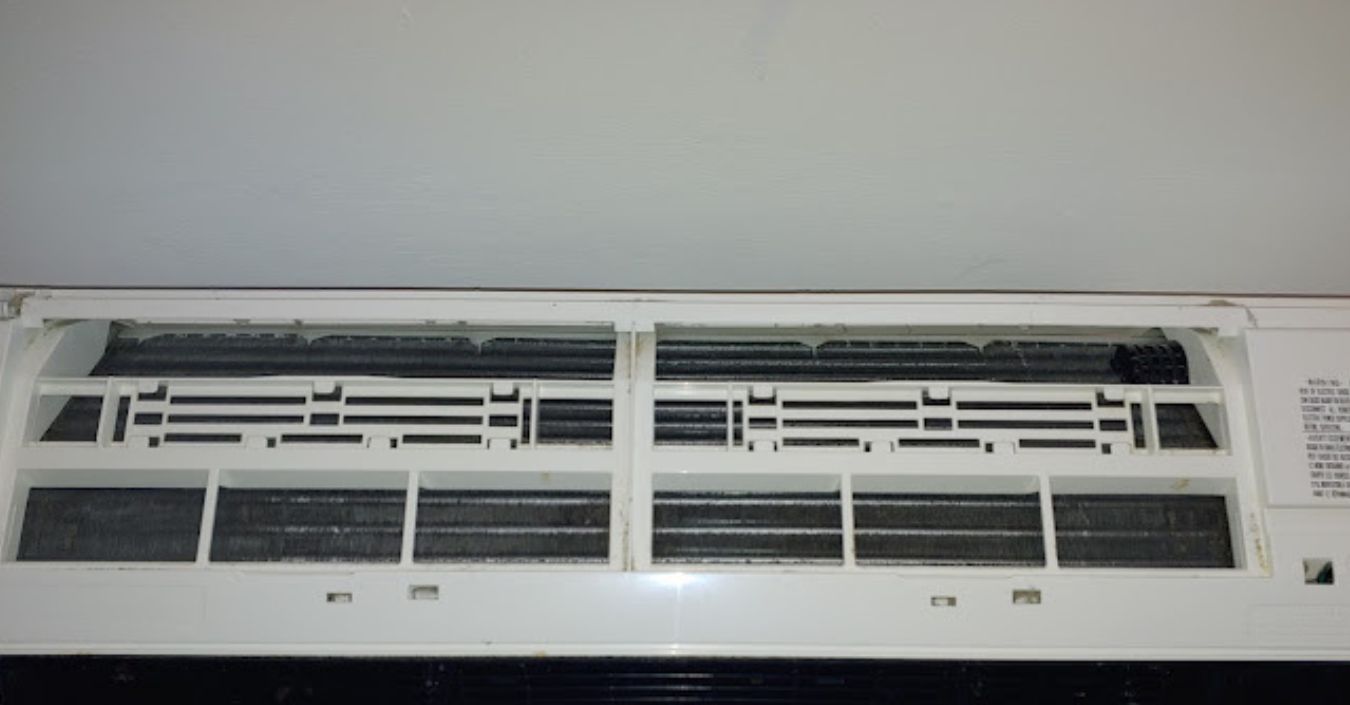
Dark material may eventually become visible when looking through the air outlet.

When the blower wheel contains significant contamination, cleaning the filters alone will not remove it. Professional deep cleaning may be needed to properly access and clean the component.

The Drain Pan Can Develop Buildup

The drain pan is designed to collect condensation from the evaporator coil and direct it toward the condensate line.

Because it regularly handles water, the drain pan is another area where cleanliness matters.

Dust and debris can accumulate in the pan over time. If water does not drain effectively or debris remains wet, unpleasant odors and microbial buildup may develop.

A deep mini split cleaning can address accessible drainage components along with other contaminated internal surfaces.

A Clogged Drain Can Create Persistent Moisture

The condensate line carries water away from the indoor unit. When drainage becomes restricted, moisture may remain in the system longer than intended.

Signs of a possible drainage problem can include:

  • Water dripping from the indoor unit
  • Moisture on the wall beneath the mini split
  • Standing water in accessible portions of the unit
  • Recurring musty odors
  • Unusual moisture around the air outlet

Drainage problems should be addressed promptly. Persistent water can contribute to contamination inside the unit and may eventually damage surrounding building materials.

Some drainage issues may require mechanical HVAC service rather than cleaning alone.

Dirty Filters Can Contribute to Internal Buildup

Neglected filters allow large amounts of dust and debris to accumulate at the beginning of the mini split’s airflow pathway.

As filters become heavily loaded, airflow can become restricted and the overall cleanliness of the system can decline.

Homeowners should clean reusable filters according to the manufacturer’s recommendations for their particular mini split.

However, regularly cleaning the filters does not guarantee that deeper components will remain completely clean. Some fine material can still accumulate internally over time.

Pet Hair and Dander Can Add to the Problem

Homes with pets may experience faster accumulation of airborne debris.

Pet hair, dander, outdoor soil, and other particles can circulate through living spaces and eventually reach mini split filters.

Pets that regularly travel outdoors may also carry pollen and other environmental material inside on their fur.

Frequent vacuuming, pet grooming, and filter maintenance can help reduce the amount of debris available to enter the system, but periodic internal cleaning may still be necessary.

Cooking Residue Can Affect Nearby Mini Splits

The location of the indoor unit can influence how quickly it becomes dirty.

Mini splits located near kitchens may encounter airborne particles produced during cooking in addition to ordinary household dust.

Residue can combine with other debris and create buildup on internal surfaces.

This is one reason indoor units installed in different rooms of the same home may require cleaning at different intervals.

Renovation Dust Can Contaminate a Mini Split

Remodeling and construction projects can generate significant amounts of fine airborne dust.

Drywall work, sanding, cutting, flooring installation, and other activities can release particles that spread beyond the immediate work area.

If a mini split operates during construction, some of this material may collect on its filters and internal components.

Inspecting the system after a major renovation can help identify whether construction-related debris has accumulated inside the unit.

Why Does Mold-Like Buildup Appear Black?

Homeowners often become concerned when they see black or dark-colored material around a mini split’s louvers or blower wheel.

Color alone cannot reliably identify mold.

Dust, dirt, microbial contamination, and combinations of different materials may all appear dark when accumulated on internal components.

Rather than assuming a substance is a particular type of mold based solely on its color, focus on correcting moisture conditions and removing the contamination appropriately.

Why Does My Mini Split Smell Musty?

A musty odor can be associated with moisture and buildup inside a mini split.

You may notice the smell most strongly when the unit first turns on. Once the blower begins operating, air moves across the internal components and into the room.

If odor-producing material is present on the coil, blower wheel, drain pan, or other surfaces, the circulating air can carry that smell into the living space.

Cleaning the filters is a reasonable first step, but a persistent odor may indicate that contamination is located deeper inside the unit.

Can Mold Inside a Mini Split Affect Indoor Air Quality?

Mini splits continuously circulate air through the rooms they serve, so the cleanliness of their internal components is relevant to the indoor environment.

Accumulated dust and other loose material may be disturbed as air moves through the system.

Indoor air quality is influenced by many factors, including ventilation, humidity, pets, household activities, outdoor pollutants, and other sources. Cleaning a mini split is not a complete solution for every indoor air quality concern.

However, removing significant contamination from equipment that regularly circulates indoor air is a practical part of maintaining a cleaner home environment.

Should You Keep Running a Mini Split With Visible Buildup?

If significant contamination is clearly visible inside your mini split, scheduling an inspection and cleaning is a better approach than allowing the buildup to continue accumulating.

Continued operation moves air across the same contaminated surfaces every time the unit runs.

You should also look for signs of excessive moisture or drainage problems.

If the mini split is leaking water, experiencing mechanical problems, or showing other unusual behavior, an HVAC professional may need to evaluate the equipment in addition to cleaning.

Can You Clean Mold Out of a Mini Split Yourself?

Basic mini split maintenance can often be performed by homeowners, but deep internal cleaning is different.

Depending on the manufacturer’s instructions, homeowners may be able to remove and clean reusable filters and wipe accessible exterior surfaces.

Cleaning deeper components such as the evaporator coil and blower wheel may require disassembly, specialized equipment, and cleaning products appropriate for ductless systems.

Attempting to reach these components without the proper knowledge can potentially damage delicate fins, electrical components, drainage parts, or other portions of the unit.

Avoid Spraying Household Cleaners Into the Unit

General household cleaners should not automatically be used inside a mini split.

The indoor unit contains electrical components, plastics, coil surfaces, drainage components, and other materials that may react differently to cleaning chemicals.

Using inappropriate products can leave residue or potentially damage components.

Follow manufacturer recommendations for homeowner maintenance and use professional ductless cleaning when significant internal contamination needs to be addressed.

Why Cleaning Only the Filters May Not Remove Mold-Like Buildup

Filters are only one part of the mini split.

Once dust or contamination has accumulated on the evaporator coil, blower wheel, drain pan, or other deeper surfaces, removing and washing the filters does not clean those areas.

This explains why a mini split can continue smelling musty or show visible dark buildup even immediately after its filters have been cleaned.

When contamination has moved beyond the filters, a more thorough cleaning is necessary to address the rest of the indoor unit.

What Happens During Professional Mini Split Cleaning?

Professional mini split cleaning is designed to address buildup on accessible internal components that cannot be adequately reached through routine homeowner maintenance.

Specialized equipment and appropriate cleaning methods can be used to remove accumulated material while controlling the cleaning process around the indoor unit.

Cool Clean Services specializes in ductless mini split hygiene and deep cleaning. The focus is on removing dirt, debris, and buildup from ductless systems rather than performing mechanical AC repair or installation.

If a cleaning appointment reveals a separate mechanical problem, an HVAC repair professional may be needed to address that issue.

How to Help Prevent Mold-Like Buildup in Your Mini Split

Keeping the system clean and monitoring moisture are two important parts of reducing future buildup.

Homeowners can help by:

  • Cleaning reusable filters according to manufacturer recommendations
  • Keeping dust and pet hair under control in the surrounding room
  • Watching for water leaks or drainage problems
  • Inspecting visible internal areas periodically
  • Addressing musty odors instead of masking them
  • Having heavily contaminated units professionally cleaned
  • Checking systems after dusty remodeling projects

No maintenance routine can prevent every particle from entering a mini split, but consistent care can prevent years of debris from accumulating unnoticed.

How Often Should a Mini Split Be Deep Cleaned?

There is no single deep-cleaning schedule that applies to every ductless system.

A unit’s condition depends on how frequently it operates, indoor dust levels, pets, humidity, filter maintenance, location within the home, and its previous cleaning history.

A heavily used living room mini split may accumulate debris faster than a unit in a rarely used bedroom.

Instead of relying exclusively on a calendar, regularly inspect filters and visible portions of the indoor unit. Persistent odors, visible buildup, or heavily contaminated internal components indicate that cleaning should not be postponed simply because a certain amount of time has not passed.

Cleaning and Mechanical Repair Are Different Services

Visible buildup and musty odors may indicate a hygiene issue, but not every mini split problem can be corrected through cleaning.

If the unit will not turn on, has an electrical failure, cannot cool because of a mechanical problem, or requires refrigerant-related service, an HVAC repair professional is necessary.

Similarly, persistent water leaks can sometimes result from problems beyond ordinary cleaning needs.

Cool Clean Services specializes specifically in ductless cleaning and hygiene rather than mechanical mini split repair or installation.

Don’t Wait Until Buildup Becomes Severe

Contamination is easier to address when it is recognized before the indoor unit becomes heavily coated.

If you can already see substantial dark material on the blower wheel, around the louvers, or deeper inside the mini split, the system has likely accumulated more than ordinary surface dust.

Recurring musty odors are another reason to investigate rather than repeatedly masking the smell.

Regular filter care combined with periodic professional cleaning can help prevent internal buildup from going unnoticed for years.

Final Thoughts About Why There Is Mold Inside Your Mini Split

If you find mold or mold-like buildup inside your mini split, moisture and accumulated debris are often important factors to investigate. Condensation is a normal part of cooling, but persistent moisture combined with dust and organic material can create conditions that support microbial growth on internal components.

New York’s humid summers and frequent cooling demand can expose mini splits to repeated condensation and long operating periods. Cleaning filters regularly, watching for drainage problems, and addressing visible internal contamination can help keep the system cleaner.

Cool Clean Services provides professional mini split cleaning and ductless hygiene throughout its New York service area. If your indoor unit has visible buildup, persistent musty odors, or contamination that cannot be reached through normal filter maintenance, professional deep cleaning can address areas such as the coil, blower wheel, drain pan, and other accessible internal components.

Frequently Asked Questions About Mold Inside Mini Splits

Is the black stuff inside my mini split definitely mold?

Not necessarily. Dark buildup can include dust, dirt, microbial contamination, or a combination of materials. Appearance and color alone cannot reliably identify a substance as mold. Regardless of what the material is, significant visible contamination inside the unit is a reason to have it properly cleaned.

Why does mold keep coming back in my mini split?

Recurring contamination can indicate that moisture and debris continue to be present inside the unit. Dirty internal components, drainage concerns, high humidity, and accumulated airborne material can all contribute. Cleaning should address the buildup while any ongoing moisture or drainage problem should also be investigated.

Will cleaning my mini split filters remove mold?

Cleaning the filters only addresses material on the filters themselves. It will not remove contamination that has accumulated deeper inside the unit on components such as the evaporator coil, blower wheel, or drain pan. Significant internal buildup may require professional mini split cleaning.

what-happens-if-you-never-clean-your-mini-split

What Happens If You Never Clean Your Mini Split?

If you never clean your mini split, dust, dirt, pet dander, and other airborne debris can gradually accumulate on the filters and internal components of the system. Over time, this buildup can contribute to unpleasant odors, restricted airflow, dirtier internal surfaces, drainage concerns, and reduced overall performance.

For New York homeowners who rely on ductless mini-split systems through the cooling season, regular indoor head unit cleaning is an important part of keeping the unit clean. Mini splits continuously pull room air through filters and across components such as the evaporator coil and blower wheel. Although the filters capture some airborne material, they cannot prevent every particle from entering the system.

Skipping cleaning for months or years allows buildup to continue accumulating in areas that may be difficult to see from outside the unit. Understanding what can happen when a mini split is never cleaned can help you recognize why routine filter maintenance and periodic professional deep cleaning matter.

Dust Continues to Accumulate Inside the Mini Split

Every time your mini split operates, it pulls indoor air into the unit. That air can contain dust, pet hair, pollen, dander, and other small particles commonly found inside a home.

The filters are designed to capture some of this material before air travels farther into the system. As the filters become dirty, they need to be cleaned or maintained according to the manufacturer’s recommendations.

If the filters are neglected, dust continues accumulating. Fine particles may also collect deeper inside the indoor unit on surfaces that are not accessible during basic household cleaning.

After an extended period without maintenance, a mini split that looks relatively clean from the outside can contain substantial internal buildup.

Your Mini Split Filters Can Become Heavily Clogged

Filters are among the first components affected when a mini split is not cleaned.

As airborne debris collects on the filter material, the open areas available for air to pass through become increasingly restricted. A filter that began with only a light layer of dust can eventually become heavily coated.

Dirty filters can interfere with normal airflow into the indoor unit.

Cleaning reusable filters regularly is one of the simplest maintenance tasks homeowners can perform to help prevent excessive buildup from developing.

Airflow May Become Restricted

A mini split needs adequate airflow to distribute conditioned air throughout the room.

When filters and internal components become heavily coated with debris, airflow can be affected. You may notice that the air coming from the indoor unit does not feel as strong as it once did.

Restricted airflow can also make it more difficult for the system to distribute conditioned air effectively throughout the space.

Weak airflow can have mechanical causes as well, so cleaning should not be assumed to solve every airflow problem. However, if the unit is visibly dirty and has not been maintained for an extended period, cleaning is an important place to start.

The Blower Wheel Can Become Covered in Buildup

The blower wheel is located inside the indoor mini split and is responsible for moving air into the room.

Its design includes numerous surfaces where fine debris can gradually accumulate. Because the blower wheel is located beyond the filters, homeowners may not realize how dirty it has become.

Over time, buildup can become thick enough to be visible through the air outlet.

A dirty blower wheel generally requires more than simply removing and washing the filters. Professional deep cleaning can address this difficult-to-reach component when substantial buildup has developed.

The Evaporator Coil Can Become Dirty

The evaporator coil is another important internal component that can collect debris over time.

During cooling, indoor air passes across the cold coil. Moisture from the air condenses on its surface as part of normal air conditioning operation.

Although filters provide protection, fine particles can still reach the coil. If the mini split is never cleaned, debris can gradually accumulate on this surface.

Because the coil regularly encounters condensation, keeping it clean is an important part of overall ductless system hygiene.

Your Mini Split May Develop a Musty Smell

A musty or stale odor is one of the most noticeable problems associated with a dirty mini split.

Dust and other debris can accumulate on internal surfaces that are exposed to condensation during cooling. When moisture and buildup remain together, unpleasant odors may develop.

You may notice the smell most strongly when the mini split first turns on. As the blower begins operating, air moves across the internal components and carries odors into the room.

Cleaning the filters may help when they are the source of the problem. If the smell remains, deeper internal cleaning may be necessary.

Moisture and Debris Can Collect in the Drain Pan

Mini splits remove moisture from indoor air while cooling. Condensation from the evaporator coil collects in a drain pan before leaving the indoor unit through the condensate drainage system.

The drain pan can accumulate dust and other material over time.

If it is never cleaned, debris may remain in an area that routinely encounters moisture. This can contribute to stale odors and unsanitary buildup inside the unit.

Professional mini split cleaning can address accessible drainage areas along with other internal components that are difficult to reach through normal filter maintenance.

Drainage Problems Can Develop

The condensate drainage system needs a clear pathway to move water away from the indoor unit.

Buildup can contribute to drainage concerns when dirt and debris accumulate in areas responsible for handling condensation.

Possible warning signs include:

  • Water dripping from the indoor unit
  • Moisture appearing on the wall
  • Water collecting around the mini split
  • Recurring musty odors
  • Visible buildup around drainage components

A leaking mini split should be evaluated promptly. While cleaning may resolve certain buildup-related drainage issues, water leaks can also result from mechanical or installation problems that require an HVAC professional.

Dirty Components Can Affect Mini Split Performance

Mini splits are designed to move air efficiently across their internal components. Allowing those components to become heavily contaminated can interfere with normal operation.

Dirty filters can restrict incoming airflow, while buildup on the blower wheel and coil can affect the surfaces responsible for moving and conditioning air.

You may eventually notice changes in airflow or how effectively the system maintains comfort.

Not every performance issue is caused by dirt. Refrigerant problems, electrical failures, damaged components, and other mechanical conditions require separate diagnosis. Cleaning addresses system hygiene rather than mechanical repair.

The System May Need to Run Longer

If heavy buildup interferes with airflow or heat transfer, the mini split may have a harder time maintaining the desired indoor temperature.

Depending on the condition of the system, this can contribute to longer operating periods.

Extended operation can mean the equipment is using energy for longer periods to provide the requested cooling.

Keeping filters and internal components clean helps remove cleanliness-related restrictions that could otherwise interfere with normal operation.

A Dirty Mini Split Can Affect Energy Efficiency

Several factors determine how efficiently a mini split operates, including equipment condition, thermostat settings, outdoor temperatures, building insulation, and mechanical performance.

Cleanliness is another factor worth considering.

When airflow is restricted by dirty filters or internal buildup interferes with the surfaces responsible for conditioning and distributing air, the system may not operate under ideal conditions.

Routine maintenance cannot guarantee a specific reduction in energy costs, but keeping the unit clean can help eliminate avoidable buildup that may interfere with efficient operation.

Dust May Become Visible Around the Air Outlet

A neglected mini split may eventually show visible signs of contamination.

Dust can collect on the louvers, around the air outlet, and on surfaces visible inside the indoor unit. In heavily contaminated systems, debris may also be visible on the blower wheel.

Wiping the exterior can improve the appearance of the unit, but it does not remove buildup located deeper inside.

If dirt quickly returns after surface cleaning, inspecting the internal components can help determine whether a deeper cleaning is necessary.

Debris May Be Distributed From the Indoor Unit

When the mini split operates, the blower moves air through the indoor unit and into the room.

If loose debris has accumulated internally, some material may become disturbed by airflow.

Homeowners may notice particles or debris around the air outlet or beneath the indoor unit.

Visible material coming from the mini split is a strong indication that the system should be inspected rather than simply cleaning the surrounding floor or furniture repeatedly.

Pet Hair and Dander Can Add to the Buildup

Homes with pets may experience faster mini split contamination.

Pet hair, dander, and outdoor debris carried on fur can become part of the indoor environment. Some of this material can eventually reach mini split filters.

If filters are not maintained regularly, buildup can become significant.

Homes with multiple pets may need to check filters and visible portions of their ductless units more frequently than homes with lower levels of airborne debris.

Cooking and Household Activity Can Contribute to Dirt

Dust is not the only material circulating through a home.

Normal household activities can introduce additional airborne particles. Units located near kitchens, busy living areas, entrances, or other high-use spaces may encounter different levels of buildup than mini splits installed in less frequently used rooms.

This is why two indoor units in the same house can become dirty at different rates.

Each mini split should be maintained according to its actual condition and usage rather than assuming every unit requires cleaning at exactly the same interval.

Renovation Dust Can Make the Problem Worse

Home improvement projects can introduce unusually high amounts of fine dust into indoor air.

Sanding, drywall work, cutting materials, flooring projects, and other construction activities can create particles that travel beyond the immediate work area.

If mini splits operate during a renovation, their filters may collect significant amounts of construction dust. Fine particles may also reach deeper components.

After substantial remodeling, inspecting and cleaning the ductless units can help remove material introduced during the project.

Heavy Summer Use Can Accelerate Buildup

New York’s hot and humid summer weather can keep ductless systems running for extended periods.

Every additional hour of operation means more room air passes through the filters and across the internal components.

The cooling process also creates condensation, particularly when indoor humidity is elevated.

A mini split receiving heavy summer use may therefore accumulate dirt differently than one that operates only occasionally. Regular inspection is especially useful during and after periods of frequent operation.

Ignoring the Mini Split Can Make Cleaning More Involved

Light surface dust is easier to address than years of accumulated buildup.

If a mini split receives regular filter maintenance and periodic cleaning, debris can be addressed before it becomes severe.

When the system is ignored for an extended period, dirt may become heavily accumulated on the blower wheel, coil, louvers, and other internal surfaces.

At that point, basic filter maintenance may no longer be enough, and a more thorough professional cleaning may be required.

Can a Dirty Mini Split Affect Indoor Air Quality?

Mini splits continually circulate air through the rooms they serve, making cleanliness inside the unit relevant to the indoor environment.

Dust, pet-related debris, and other particles can accumulate inside a neglected system. Loose material may also be disturbed as air moves through the indoor unit.

Cleaning a mini split is not a complete solution for every indoor air quality concern. Indoor air can also be influenced by ventilation, humidity, household activities, pets, outdoor pollutants, and many other factors.

However, removing significant buildup from equipment that continually circulates room air is a practical part of maintaining a cleaner indoor environment.

Can Mold Develop in a Dirty Mini Split?

Mini splits regularly encounter moisture because condensation forms during cooling. Dust and other organic material can also accumulate internally.

Persistent moisture combined with accumulated debris can create conditions that may support microbial growth on certain surfaces.

Homeowners should not assume that every dark substance inside a mini split is mold based on appearance alone. However, visible contamination, persistent musty odors, or significant moisture-related buildup should be taken seriously.

Professional cleaning can remove accumulated material from accessible internal surfaces and help restore a cleaner condition inside the unit.

Can a Dirty Mini Split Stop Working?

Severe neglect can contribute to conditions that interfere with normal operation, but dirt is not the only reason a mini split may stop working.

Ductless systems contain electrical and mechanical components that can fail independently of cleanliness.

If your mini split will not turn on, stops cooling, displays an error code, or has another mechanical problem, it may need diagnosis by an HVAC repair professional.

Cleaning and mechanical repair should be treated as separate services. Cool Clean Services specializes in mini split cleaning and ductless hygiene rather than mechanical AC repair or installation.

Is Cleaning the Filters Enough?

Filter cleaning is essential, but it does not clean the entire mini split.

The filters are located near the beginning of the airflow pathway. Deeper inside the unit are components such as the evaporator coil, blower wheel, drain pan, and other surfaces.

Over time, some debris can accumulate beyond the filters.

If your filters are clean but you still see dirt inside the unit, notice a musty odor, or observe heavy buildup on the blower wheel, professional deep cleaning may be appropriate.

What Can Homeowners Do to Keep a Mini Split Clean?

Homeowners can perform basic maintenance between professional cleanings according to the manufacturer’s instructions for their specific equipment.

This may include:

  • Checking and cleaning reusable filters regularly
  • Wiping accessible exterior surfaces
  • Keeping dust and pet hair under control around the unit
  • Watching for water leaks
  • Checking visible areas for unusual buildup
  • Scheduling deeper cleaning when necessary

Avoid spraying general household cleaners directly into the mini split or attempting extensive disassembly without the proper knowledge and equipment.

When Does a Mini Split Need Professional Deep Cleaning?

There is no single schedule that works for every ductless system.

How frequently deep cleaning is needed depends on system usage, household conditions, pets, humidity, filter maintenance, and other environmental factors.

Signs that professional cleaning may be appropriate include persistent musty odors, visible internal dirt, heavy blower wheel buildup, recurring debris around the outlet, and a unit that remains dirty after the filters have been cleaned.

A mini split that has gone years without deep cleaning is also worth inspecting even if obvious problems have not yet developed.

Don’t Wait Until the Mini Split Is Extremely Dirty

Routine cleaning is easier to manage when buildup is addressed before it becomes severe.

Waiting until the filters are completely clogged, the blower wheel is heavily coated, or strong odors are coming from the unit allows contamination to accumulate unnecessarily.

Checking the mini split periodically can help you identify changes earlier.

Regular filter maintenance combined with professional deep cleaning when needed provides a more complete approach to keeping a ductless system clean.

Final Thoughts About What Happens If You Never Clean Your Mini Split

If you never clean your mini split, dust and debris can continue accumulating on the filters, evaporator coil, blower wheel, drain pan, louvers, and other internal surfaces. Eventually, this buildup may contribute to restricted airflow, musty odors, drainage concerns, visible contamination, and changes in system performance.

For New York homeowners who use ductless systems extensively during hot and humid weather, keeping the indoor units clean is an important part of routine home maintenance. Basic filter cleaning can address everyday buildup, while periodic professional deep cleaning can reach components that are difficult to access through normal homeowner care.

Cool Clean Services specializes in professional mini split cleaning and ductless hygiene throughout its New York service area. If your mini split has gone an extended period without cleaning or you can see significant buildup inside the unit, professional deep cleaning can help remove accumulated material from areas that basic filter maintenance cannot reach.

Frequently Asked Questions About Cleaning a Mini Split

What happens if you don’t clean a mini split for years?

Dust, pet dander, and other debris can accumulate on the filters and deeper internal components. Over time, you may notice clogged filters, visible dirt, musty odors, reduced airflow, or significant buildup on components such as the blower wheel and evaporator coil. A heavily neglected unit may require professional deep cleaning.

How do I know when my mini split is too dirty?

Visible buildup inside the air outlet, a dirty blower wheel, persistent musty smells, debris coming from the unit, and problems that remain after filter cleaning are common signs that deeper cleaning may be necessary. You should also consider the unit’s usage and previous cleaning history.

Can I clean my mini split myself?

Homeowners can typically perform basic maintenance allowed by the manufacturer, such as cleaning reusable filters and wiping accessible exterior surfaces. Deep cleaning may require access to delicate internal components and specialized equipment. If substantial dirt has accumulated on the coil, blower wheel, or other internal areas, professional mini split cleaning is the safer approach.

signs-your-mini-split-needs-a-deep-cleaning

Signs Your Mini Split Needs a Deep Cleaning

Knowing the signs your mini split needs a deep cleaning can help you address accumulated dust, debris, and moisture before buildup becomes more noticeable. Mini splits regularly move indoor air through filters and across internal components, which means dirt and other airborne particles can gradually collect inside the unit even when you perform basic filter maintenance.

For homeowners in New York, mini splits can run hard through long, humid summer stretches. While cleaning the filters is an important part of routine care, filters are only one component of the indoor unit. The evaporator coil, blower wheel, drain pan, louvers, and other internal surfaces can also accumulate material over time.

Some signs of a dirty mini split are easy to recognize, while others can be overlooked until the buildup becomes significant. Understanding what to watch for can help you determine when basic maintenance is no longer enough and professional mini split cleaning may be appropriate.

What Is a Mini Split Deep Cleaning?

A mini split deep cleaning goes beyond wiping down the exterior and maintaining the reusable filters. It focuses on accumulated material within accessible internal areas of the indoor ductless unit.

Depending on the condition and design of the system, professional cleaning can address areas such as the evaporator coil, blower wheel, drain pan, louvers, and other surfaces where dust and debris can collect.

These components are difficult to clean thoroughly through normal homeowner maintenance alone. Specialized equipment and cleaning methods allow a professional to address areas deeper inside the unit without relying solely on surface cleaning.

1. Your Mini Split Has a Musty or Stale Smell

A persistent musty odor is one of the most noticeable signs that your mini split may need a deeper cleaning.

Mini splits produce condensation as they cool indoor air. Under normal conditions, this moisture collects and drains away from the indoor unit. At the same time, dust and other airborne debris can accumulate on internal components.

When moisture and buildup are present together, unpleasant odors can develop. You may notice the smell most strongly when the mini split first turns on because airflow begins passing across the internal components and into the room.

If cleaning the filters does not eliminate the odor, buildup may be located deeper within the unit.

2. You Can See Dirt Inside the Unit

Visible dirt is another clear reason to inspect your mini split more closely.

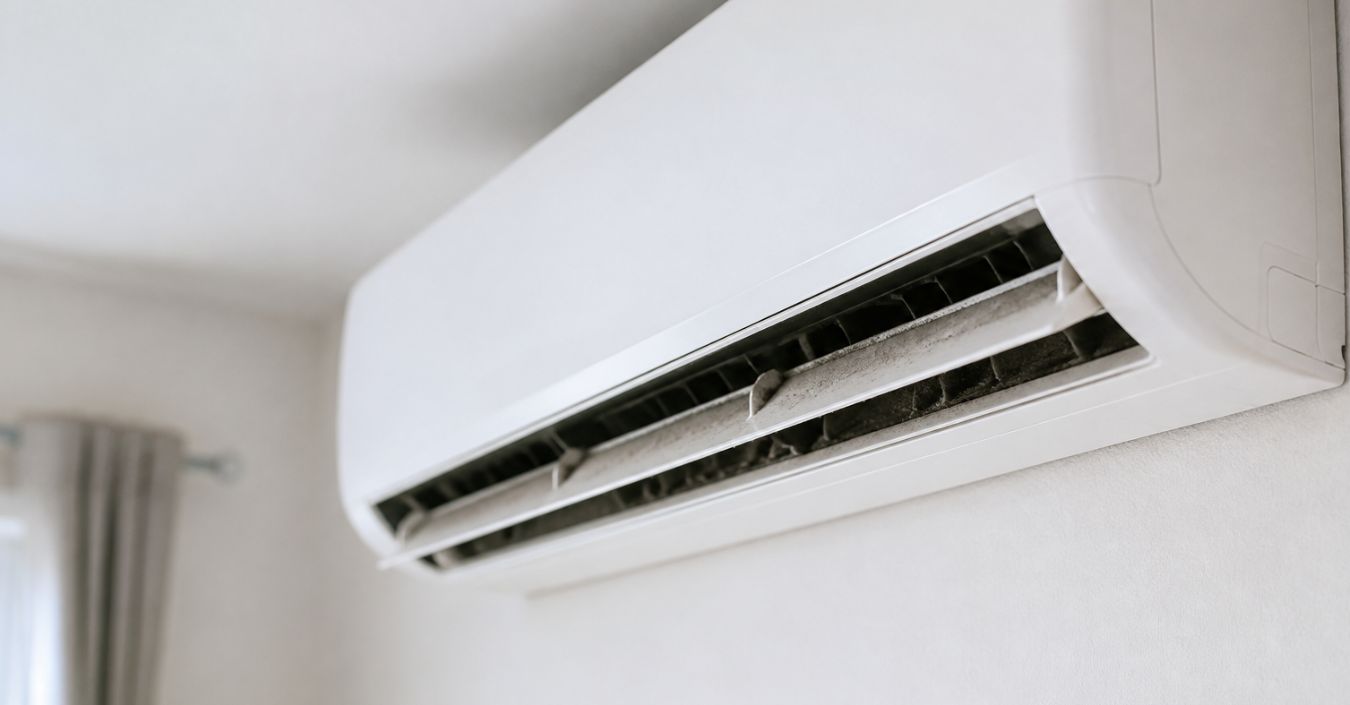
Look at the air outlet and louvers when the system is turned off. If you can see significant dust, dark buildup, or debris inside the unit, the areas you cannot see may also need attention.

Surface cleaning can improve the appearance of accessible components, but visible buildup deeper inside the unit may require professional cleaning.

Do not insert tools or cleaning materials deep into the system in an attempt to reach contaminated components. Mini splits contain delicate parts that can be damaged through improper cleaning.

3. The Blower Wheel Has Visible Buildup

The blower wheel is responsible for moving conditioned air from the indoor mini split into the room.

Its shape contains numerous surfaces where dust and debris can collect. Over time, buildup may become visible when looking through the air outlet of certain mini split models.

A dirty blower wheel can be difficult to clean properly without accessing deeper portions of the indoor unit.

If you can see substantial buildup on the blower wheel, basic filter cleaning is unlikely to address the entire problem.

4. Your Filters Get Dirty Very Quickly

Reusable filters naturally collect dust as part of normal mini split operation. However, filters that become heavily soiled shortly after cleaning may indicate that the system is operating in an environment with significant airborne debris.

Homes with pets, high dust levels, frequent open windows, ongoing construction, or other sources of particles may experience faster buildup.

Rapidly dirty filters do not automatically mean the interior needs deep cleaning, but they are a good reason to inspect the rest of the unit.

If the system has operated for an extended period under dusty conditions, some material may have made its way beyond the filters and accumulated on internal components.

5. Cleaning the Filters Does Not Solve the Problem

Filter maintenance is important, but it cannot clean the entire mini split.

If you have properly cleaned the filters and still notice odors or visible internal buildup, the source of the problem may be deeper inside the system.

The evaporator coil, blower wheel, drain pan, and other internal areas are not cleaned simply by removing and rinsing reusable filters.

Repeatedly cleaning already-clean filters will not address debris elsewhere in the indoor unit. Persistent symptoms after filter maintenance are a good indication that a more thorough inspection is needed.

6. There Is Dust or Debris Around the Air Outlet

Check the louvers and surrounding air outlet periodically.

A small amount of household dust can collect on surfaces over time, but significant buildup around the opening can indicate that the mini split needs attention.

Dust around the outlet may originate from the surrounding room or from material accumulating within the unit.

Wiping accessible exterior surfaces can help with normal maintenance. However, if buildup quickly returns or is clearly visible farther inside the system, deeper cleaning may be necessary.

7. You Notice Debris Coming From the Mini Split

Material coming from the indoor unit while it operates deserves attention.

If small particles or debris appear around the unit or are being expelled through the air outlet, there may be significant accumulation somewhere inside the system.

The blower continuously moves air across internal components. Loose material can potentially become disturbed as the system operates.

Instead of repeatedly cleaning the surrounding area, have the source of the debris evaluated.

8. There Is Buildup on the Evaporator Coil

The evaporator coil is an important component inside the mini split indoor unit. Air passes across this cold coil during the cooling process.

Filters help protect the system, but fine particles can still accumulate on the coil over time.

Because condensation forms on the evaporator coil during cooling, dirt that reaches the surface can combine with moisture and become more difficult to remove through ordinary maintenance.

A dirty coil may require professional cleaning using methods appropriate for the equipment.

9. Your Mini Split Has Not Been Deep Cleaned in a Long Time

You do not necessarily need to wait for an obvious problem before considering professional mini split cleaning.

If the unit has operated for years with only basic filter maintenance, internal components may have accumulated significant debris even if the exterior still looks relatively clean.

This is especially relevant for systems that receive heavy seasonal use.

Knowing the cleaning history of your mini split can help you determine whether an inspection is worthwhile. If you recently moved into a home and do not know when the units were last professionally cleaned, evaluating their condition can provide a useful starting point.

10. The Mini Split Is Used Heavily During Summer

New York summers can bring extended periods of heat and humidity, causing ductless systems to operate frequently.

The more a mini split runs, the more air passes through the indoor unit. This also means filters and internal surfaces have more opportunities to encounter airborne dust and debris.

Cooling also creates condensation, particularly during humid conditions.

A mini split that runs extensively throughout summer may therefore require different cleaning attention than a unit that is used only occasionally.

11. You Have Pets in the Home

Pets can increase the amount of material circulating through indoor air.

Pet hair, dander, outdoor soil, and other debris may become airborne and eventually reach mini split filters.

Regular filter cleaning is particularly important in homes with pets. The surrounding area should also be kept clean to reduce the amount of material available to enter the system.

If you have multiple pets or notice significant buildup inside your mini split, periodic deep cleaning may be beneficial.

12. Your Home Has Recently Been Renovated

Construction and remodeling can generate large amounts of fine dust.

Drywall work, sanding, cutting, flooring installation, painting preparation, and other renovation activities can introduce particles into the indoor environment.

Even when contractors use barriers and protective measures, some dust may travel beyond the immediate work area.

If mini splits operated during construction, their filters and internal components should be inspected afterward. Significant construction dust inside the system may require deeper cleaning.

13. You Notice Moisture or Water Around the Indoor Unit

A mini split should manage condensation and carry it away through its drainage system.

Water dripping from the indoor unit or collecting around it can indicate a drainage or other moisture-related problem that needs attention.

Possible signs include:

  • Water dripping from the indoor unit
  • Moisture on the wall below the mini split
  • Water collecting near the air outlet
  • Unusual moisture inside accessible portions of the unit
  • Recurring musty odors associated with moisture

Cleaning may be necessary when buildup is interfering with normal drainage. However, leaks can also result from mechanical or installation problems that require an HVAC professional.

14. The Drain Pan Has Accumulated Debris

The drain pan collects condensation produced during cooling and directs that water toward the condensate drain.

Because this component regularly encounters moisture, keeping it clean is important.

Dust and debris can accumulate in the drain pan and contribute to unpleasant odors or drainage concerns.

The pan is located inside the unit and may not be easily accessible for routine homeowner cleaning. A professional deep cleaning can address accessible drainage components as part of cleaning the indoor system.

15. The Mini Split Smells Dirty After Being Off for a While

Some mini splits develop a noticeable stale smell after sitting unused for an extended period.

Dust can settle inside the unit while it is off. Existing residue or moisture-related buildup may also remain on internal components.

When the system starts again, the blower moves air across those surfaces and can carry the odor into the room.

If the smell lasts beyond the initial startup or returns every time the unit operates, deeper cleaning may be appropriate.

16. Your Indoor Unit Looks Clean Outside but Dirty Inside

One reason mini split cleaning is easy to overlook is that the exterior can remain relatively clean while internal components accumulate debris.

Wiping the plastic housing removes visible surface dust, but it does not tell you what condition the evaporator coil, blower wheel, or drain pan is in.

Take a closer look through accessible openings without disassembling the unit.

If significant buildup is visible behind an otherwise clean exterior, professional cleaning can address areas that routine wiping cannot reach.

17. You Notice Changes in Airflow Along With Visible Buildup

If airflow seems different and the indoor unit is visibly dirty, buildup may be one factor worth investigating.

Filters and internal components need adequate airflow for the mini split to distribute conditioned air into the room.

However, weak airflow can also result from mechanical problems unrelated to cleanliness.

If cleaning the filters does not help and substantial internal buildup is visible, professional cleaning may be appropriate. If airflow problems remain after cleaning, the system may need mechanical diagnosis from an HVAC repair professional.

18. Multiple Mini Splits Have Different Levels of Buildup

Homes with several ductless units may notice that some become dirtier faster than others.

A mini split in a frequently used living room may operate longer than one in a guest bedroom. A unit near a kitchen, pet area, entryway, or other high-activity space may also encounter different amounts of airborne debris.

Each indoor unit should therefore be evaluated based on its own condition rather than assuming every mini split needs cleaning at exactly the same time.

Inspecting filters and visible internal areas can help you identify which units need attention first.

Why Basic Mini Split Cleaning Is Not Always Enough

Routine homeowner maintenance is important for keeping a ductless system cleaner between professional services.

Depending on the manufacturer’s instructions, homeowners may be able to clean reusable filters, wipe accessible exterior surfaces, and keep the area around the unit free from dust.

Deep internal cleaning is different.

Components such as the blower wheel and evaporator coil can be difficult to access thoroughly without opening portions of the indoor unit. Attempting to reach these areas without the appropriate equipment or knowledge can potentially damage delicate components.

What Happens During Professional Mini Split Cleaning?

Professional mini split cleaning focuses on removing accumulated material from areas that basic filter maintenance cannot adequately address.

The specific process depends on the equipment and its condition, but specialized cleaning equipment can be used to address accessible internal components while controlling cleaning solution and debris.

Cool Clean Services specializes in ductless mini split hygiene and deep cleaning rather than mechanical AC repair or installation.

This distinction is important because a dirty system and a mechanically malfunctioning system require different types of service.

How Often Does a Mini Split Need Deep Cleaning?

There is no universal schedule that applies to every ductless system.

Cleaning frequency can depend on:

  • How frequently the mini split operates
  • Whether pets live in the home
  • Indoor dust levels
  • Humidity
  • Filter maintenance habits
  • Smoking or other indoor contaminants
  • Recent remodeling or construction
  • The unit’s previous cleaning history

A system that receives heavy daily use may accumulate debris faster than one that operates occasionally.

Instead of relying solely on a calendar, homeowners should regularly inspect their filters and visible portions of the indoor unit for signs that deeper cleaning is necessary.

When Is the Best Time to Deep Clean a Mini Split?

Cleaning before periods of heavy use can be a practical approach.

For many New York homeowners, spring is a good time to inspect ductless systems before summer temperatures increase and cooling demand becomes more consistent.

Cleaning can also be useful after a season of heavy operation if substantial buildup has accumulated.

There is no need to wait for a particular season if the mini split already has visible dirt, persistent odors, or other signs that it needs attention.

Can You Deep Clean a Mini Split Yourself?

Homeowners can handle basic maintenance permitted by the equipment manufacturer, but deep cleaning can require access to internal components and specialized cleaning procedures.

Spraying household cleaners into the unit or aggressively scrubbing internal parts is not recommended. Mini splits contain electrical components, delicate coil surfaces, drainage components, and other materials that can be damaged through improper cleaning.

When significant disassembly is required or buildup extends deep inside the indoor unit, professional service is the better approach.

Deep Cleaning Does Not Replace Mechanical Repair

It is important to recognize the difference between a mini split that needs cleaning and one that needs mechanical HVAC repair.

Professional cleaning addresses dirt, debris, buildup, and hygiene inside the ductless unit.

If the system will not turn on, has an electrical problem, contains a failed mechanical component, or cannot cool properly because of an equipment malfunction, an HVAC repair technician may be needed.

Cool Clean Services focuses on mini split cleaning and ductless hygiene rather than mechanical AC repair or installation.

How to Keep Your Mini Split Cleaner Between Deep Cleanings

Consistent care can help reduce how quickly debris accumulates.

Follow the manufacturer’s recommendations for filter maintenance and keep the surrounding room reasonably clean. Regularly removing household dust and pet hair reduces the amount of material available to enter the system.

Watch for water leaks, recurring odors, and visible buildup instead of waiting until the system becomes heavily contaminated.

Routine homeowner maintenance combined with periodic professional cleaning can provide a more complete approach to ductless system hygiene.

Final Thoughts About Signs Your Mini Split Needs a Deep Cleaning

The signs your mini split needs a deep cleaning can include musty odors, visible internal buildup, a dirty blower wheel, debris around the air outlet, rapidly dirty filters, moisture concerns, and dirt that remains after routine filter maintenance.

For New York homeowners, frequent summer operation and humid conditions can give dust, moisture, and other debris opportunities to accumulate within ductless indoor units. Regularly checking filters and visible components can help you recognize when ordinary maintenance is no longer enough.

Cool Clean Services specializes in professional mini split cleaning and ductless hygiene throughout its New York service area. If you can see significant buildup inside your mini split or routine filter cleaning is no longer addressing odors and debris, a professional deep cleaning can help address areas of the unit that are difficult to reach through normal homeowner maintenance.

Frequently Asked Questions About Mini Split Deep Cleaning

How do I know if my mini split needs a deep cleaning?

Common signs include persistent musty odors, visible dirt inside the indoor unit, buildup on the blower wheel or louvers, debris around the air outlet, and problems that remain after the filters have been properly cleaned. The unit’s usage and cleaning history can also help determine whether deeper cleaning is appropriate.

Is cleaning the mini split filter enough?

Filter cleaning is an important part of routine maintenance, but it does not clean internal components such as the evaporator coil, blower wheel, and drain pan. If significant debris has accumulated deeper inside the system, professional cleaning may be necessary.

Can a dirty mini split cause a musty smell?

Yes. Dust and debris can accumulate on internal components that regularly encounter condensation during cooling. When moisture and buildup are present together, stale or musty odors can develop. Persistent odors are a common reason to have the indoor unit inspected and professionally cleaned.

why-does-my-mini-split-smell-musty

Why Does My Mini Split Smell Musty?

If your mini split smells musty when it runs, moisture, dust, and buildup inside the system may be contributing to the odor. Ductless mini splits cool indoor air while also removing moisture, which means certain internal components regularly encounter condensation. When moisture combines with accumulated dirt and organic debris, unpleasant odors can develop and become noticeable when the unit begins circulating air through your New York home.

A musty odor should not simply be covered up with air fresheners or fragrances. Identifying where the smell is coming from is important because the odor may indicate that the indoor unit needs professional cleaning or that moisture is not being managed properly.

Understanding why mini splits develop musty smells can help you determine what you can check yourself and when it is time to schedule professional mini split cleaning.

Why Mini Splits Can Develop Musty Odors

Mini splits continually move indoor air across internal components. As that air passes through the system, dust, pet hair, pollen, and other airborne particles can accumulate inside the unit.

At the same time, the cooling process creates condensation. Under normal conditions, this moisture is collected and carried away through the condensate drainage system.

If moisture remains inside the unit or combines with accumulated debris, conditions can develop that produce stale or musty odors.

The exact cause may involve several parts of the system, so cleaning only the exterior cover may not resolve the problem.

Moisture Inside the Mini Split

Moisture is one of the most important factors to consider when a mini split develops a musty smell.

When warm indoor air passes over the cold evaporator coil, moisture in the air condenses on the coil. This is a normal part of air conditioning and helps reduce indoor humidity.

The moisture should move into the drain pan and leave the system through the condensate line. However, internal surfaces may remain damp for periods of time, particularly during humid weather or frequent cooling operation.

If moisture is not draining properly or areas of the unit remain persistently damp, odors may develop.

Dust and Dirt Can Accumulate on the Evaporator Coil

The evaporator coil is located inside the indoor mini split unit and plays an essential role in cooling your home.

Although filters help capture airborne material, they cannot necessarily prevent every particle from entering the system. Fine dust and debris can gradually accumulate on the coil and surrounding components.

When this buildup becomes damp from condensation, it can contribute to unpleasant smells.

Because the evaporator coil sits inside the unit, cleaning it properly usually takes more than wiping the mini split’s exterior, and can include the blower wheel, drain pan, drain line flush, and anti-fungal treatment.

A Dirty Blower Wheel May Be the Source

The blower wheel moves conditioned air from the indoor unit into the room. Over time, its surfaces can collect dust and other debris.

This component can be difficult for homeowners to see without opening portions of the indoor unit.

As buildup accumulates, moisture and debris can create conditions that contribute to odors. The blower wheel may then distribute those smells into the room whenever the mini split operates.

A heavily contaminated blower wheel can require a more thorough cleaning than normal filter maintenance provides.

The Drain Pan Can Collect Buildup

Condensation from the evaporator coil collects in a drain pan before leaving the mini split through the condensate line.

Because the drain pan routinely handles moisture, dirt and other material can accumulate there over time.

If the pan remains dirty or water does not drain as intended, stale or musty odors can develop.

Professional mini split cleaning can address accessible internal components where moisture and debris tend to collect rather than focusing only on visible exterior surfaces.

A Clogged Condensate Drain Can Contribute to Odors

The condensate drain line has a simple but important job: carrying moisture away from the indoor unit.

Debris or buildup can interfere with drainage. When water cannot leave the system properly, it may remain in the drain pan or other areas longer than intended.

Possible signs of a drainage issue can include:

  • Water dripping from the indoor unit
  • Moisture around the mini split
  • Standing water in accessible areas
  • Musty or stale odors
  • Changes in normal drainage

Water leaking from a mini split should not be ignored. The cause should be identified before moisture damages nearby walls, flooring, furniture, or other materials.

Dirty Mini Split Filters Can Contribute to the Problem

Filters are one of the first places to inspect when your mini split begins smelling unusual.

Mini split filters collect airborne debris as air enters the indoor unit. When filters become heavily loaded with dust, pet hair, and other particles, they can affect airflow and overall cleanliness inside the system.

Cleaning reusable filters according to the manufacturer’s instructions is an important part of routine mini split care.

However, cleaning the filters may not eliminate an existing musty smell if debris has already accumulated deeper inside the unit.

Can Mold Grow Inside a Mini Split?

Moisture and organic material can create conditions that support microbial growth on certain surfaces.

Mini splits naturally produce condensation during cooling, and internal components may also accumulate dust and debris. When persistent moisture combines with this buildup, microbial contamination may become a concern.

Homeowners should avoid assuming that every dark spot or musty smell is automatically mold. Visual appearance alone may not reliably identify a substance.

However, visible contamination or persistent odors inside the system are good reasons to have the unit professionally evaluated and cleaned.

New York Humidity Can Contribute to Mini Split Buildup

New York summers can bring significant heat and humidity, resulting in frequent mini split operation.

During humid weather, the system removes moisture from indoor air as part of the cooling process. This means the evaporator coil and drainage components may encounter condensation repeatedly throughout the cooling season.

Long periods of operation can also mean more indoor air and airborne debris pass through the unit.

Routine maintenance and periodic professional cleaning can help address the accumulation that develops during heavy seasonal use.

Why Does the Smell Get Stronger When the Mini Split Turns On?

Some homeowners notice little or no odor while the mini split is off, followed by a noticeable musty smell shortly after turning it on.

This can happen because the blower begins moving air across internal components and into the room. If odor-producing buildup is present inside the unit, circulating air can carry that smell into the living space.

The odor may eventually become less noticeable as the system continues operating, but that does not necessarily mean the source has disappeared.

If the smell repeatedly returns when the unit starts, inspecting and cleaning the system is a better approach than simply waiting for the odor to fade.

Why Does My Mini Split Smell After Being Off for a While?

A mini split that has remained unused for an extended period may smell stale when it starts operating again.

Dust can settle inside the unit while it is not being used. If residual moisture or existing buildup is also present, odors may become noticeable when airflow resumes.

This is one reason seasonal cleaning can be useful before periods of heavy operation.

Having the system cleaned before summer can remove accumulated debris and prepare the indoor unit for frequent cooling use.

Can a Musty Mini Split Affect Indoor Air Quality?

Your mini split continuously circulates air through the room it serves. The cleanliness of the unit therefore matters to the overall indoor environment.

Dust and debris that accumulate inside the system may be disturbed as air moves across internal components.

A musty odor does not by itself tell you exactly what is present inside the unit. However, persistent smells can indicate that the system contains buildup or moisture that deserves attention.

Keeping filters and accessible components clean can help reduce accumulated material within the airflow pathway.

Why Air Fresheners Are Not a Solution

It can be tempting to use scented sprays, candles, or other fragrances to cover a musty mini split smell.

These products may temporarily mask the odor, but they do not remove whatever is causing it inside the unit.

If the smell is coming from dirty components, drainage problems, or moisture-related buildup, the underlying condition will remain.

The more effective approach is to identify and address the source of the odor.

Should You Spray Cleaner Into a Mini Split?

Homeowners should be cautious about spraying household cleaning products directly into a mini split.

The indoor unit contains electrical components, delicate coil surfaces, plastic components, drainage parts, and other materials that may not be compatible with general household cleaners.

Using an inappropriate chemical can potentially leave residue or damage components.

Follow the manufacturer’s instructions for routine homeowner maintenance. Deeper internal cleaning should be performed using methods and products appropriate for ductless systems.

What Can Homeowners Safely Clean?

Routine homeowner maintenance can help reduce buildup between professional cleanings.

Depending on the manufacturer’s instructions for your specific unit, basic care may include:

  • Cleaning or maintaining reusable filters
  • Wiping accessible exterior surfaces
  • Keeping the area around the indoor unit clean
  • Checking for visible water leaks
  • Keeping the outdoor unit free from obvious debris

Always follow the instructions provided for your particular mini split model.

If cleaning would require significant disassembly of the indoor unit, professional service is generally a better option.

Why Filter Cleaning Alone May Not Fix the Smell

Cleaning the filters is an excellent first step, but the filters are only one part of the indoor mini split.

The evaporator coil, blower wheel, drain pan, louvers, housing, and other internal areas can accumulate debris over time.

If a musty odor originates deeper inside the unit, freshly cleaned filters may make little difference.

Persistent smells after filter cleaning are a sign that a deeper inspection may be necessary.

What Is Professional Mini Split Cleaning?

Professional mini split cleaning goes beyond basic homeowner filter maintenance.

The process is intended to address buildup within accessible internal portions of the ductless unit using specialized cleaning equipment and appropriate cleaning products.

Cool Clean Services focuses specifically on ductless mini split hygiene and uses specialized equipment to clean areas of the system where dust, dirt, and buildup can accumulate.

Deep cleaning can help remove material from components that are difficult to reach during normal household maintenance.

How Often Should a Mini Split Be Professionally Cleaned?

There is no single cleaning interval that applies to every mini split.

How quickly a system becomes dirty depends on factors such as:

  • How frequently the unit operates
  • Indoor dust levels
  • Pets in the home
  • Smoking or other indoor contaminants
  • Humidity
  • Filter maintenance
  • Previous cleaning history

A mini split used heavily throughout a humid New York summer may accumulate debris differently than a unit used only occasionally.

Rather than waiting for a severe odor or visible buildup, homeowners should monitor their systems and arrange cleaning when conditions indicate it is needed.

Signs Your Mini Split May Need a Deep Cleaning

A musty smell is one of several signs that a ductless unit may need more than routine filter maintenance.

Consider professional cleaning if you notice:

  • Persistent musty or stale odors
  • Visible dirt inside the indoor unit
  • Heavy buildup on the blower wheel
  • Dirty internal components
  • Water or drainage concerns
  • Recurring odors after cleaning the filters
  • Debris around the louvers or air outlet
  • A unit that has not been deeply cleaned for an extended period

Some symptoms can also indicate mechanical HVAC problems. If the issue involves the operation or repair of the equipment rather than cleaning and hygiene, an appropriate HVAC repair professional may be necessary.

Cleaning Is Different From Mechanical Mini Split Repair

It is important to distinguish between cleaning a mini split and repairing one.

Professional cleaning addresses dirt, debris, buildup, and hygiene within the unit. It does not replace mechanical diagnosis or repair when an air conditioner has a failed component or other equipment malfunction.

For example, an unusual odor associated with visible buildup may indicate a cleaning issue, while a system that will not turn on, cannot cool properly because of a mechanical failure, or has a damaged electrical component requires HVAC repair.

Cool Clean Services specializes in ductless mini split cleaning and hygiene rather than mechanical AC repair or installation.

How to Help Prevent Musty Mini Split Odors

While no system can remain completely free of dust forever, consistent maintenance can help limit the buildup that contributes to odors.

Homeowners can help by cleaning filters according to manufacturer recommendations, keeping the surrounding room clean, watching for drainage problems, and scheduling deeper cleaning when needed.

Do not ignore recurring water leaks or persistent moisture around the indoor unit.

Addressing buildup before it becomes severe can make mini split care part of routine home maintenance rather than waiting until odors become difficult to ignore.

Consider Cleaning Before Heavy Cooling Season

Spring can be a practical time to evaluate mini splits before New York’s summer cooling season begins.

A unit that collected dust during periods of limited use may benefit from cleaning before it begins running frequently.

Likewise, inspecting the system after a season of heavy cooling can help identify accumulated buildup before the unit sits unused for an extended period.

The best timing depends on how frequently your individual system operates and its current condition.

Don’t Ignore Recurring Musty Odors

If you clean your filters and the odor quickly returns, repeatedly masking the smell is unlikely to solve the problem.

Recurring odors suggest that the source may be located deeper within the indoor unit or associated with ongoing moisture.

A professional cleaning can address areas that are difficult to reach during routine homeowner maintenance.

If cleaning reveals signs of a mechanical or drainage problem outside the scope of hygiene service, the appropriate HVAC professional can then address that separate issue.

Final Thoughts About Why Your Mini Split Smells Musty

If your mini split smells musty, accumulated dust, moisture, dirty internal components, or drainage-related buildup may be contributing to the problem. Filters are an important place to start, but persistent odors can originate deeper inside the indoor unit around the evaporator coil, blower wheel, drain pan, and other components.

For New York homeowners who rely heavily on ductless cooling during warm and humid weather, regular mini split care can help keep buildup from going unnoticed. Cleaning filters, watching for moisture, and scheduling professional deep cleaning when necessary can help maintain a cleaner ductless system.

Cool Clean Services specializes in professional mini split cleaning and ductless hygiene throughout its New York service area. If your mini split has developed a persistent musty smell or visible internal buildup, professional cleaning can help address accumulated material in areas that basic filter maintenance cannot reach.

Frequently Asked Questions About Musty Mini Split Odors

Why does my mini split smell musty when I first turn it on?

A musty smell at startup can occur when airflow passes over internal components containing accumulated dust, moisture, or other buildup. Once the blower starts, the odor can be carried into the room. If the smell repeatedly returns, the indoor unit may need a deeper cleaning.

Will cleaning my mini split filter get rid of a musty smell?

It may help if dirty filters are contributing to the odor, but filter cleaning will not remove buildup from deeper components such as the evaporator coil, blower wheel, or drain pan. If the smell remains after the filters have been properly cleaned, professional mini split cleaning may be appropriate.

Can I clean the inside of my mini split myself?

Homeowners can perform basic maintenance allowed by the manufacturer, such as cleaning reusable filters and accessible exterior surfaces. Deep internal cleaning can require disassembly, specialized equipment, and appropriate cleaning products. If the odor or buildup is located deep inside the unit, professional cleaning is the safer approach.

Maximizing Your Mini Split Efficiency During New York Summers

Maximizing Your Mini Split Efficiency During New York Summers

Mini split systems have become increasingly popular among New York homeowners looking for an efficient, flexible way to cool their homes through the summer. Whether installed in a single room, an addition, an older home without ductwork, or throughout an entire property, mini splits offer excellent comfort and energy efficiency when properly maintained and operated.

However, even the most advanced mini split system can lose efficiency if it is not cared for properly. As temperatures climb and humidity levels rise throughout the summer, homeowners often notice increased energy usage, longer run times, or reduced cooling performance. Fortunately, many of these issues can be prevented with the right maintenance habits and operating strategies.

Cool Clean Services helps New York homeowners maintain efficient HVAC systems through professional cleaning and indoor air quality services. Understanding how to maximize your mini split’s performance can help lower energy costs, improve comfort, and extend the life of your equipment throughout the hottest months of the year.

Why Mini Splits Are Popular in New York Homes

Mini split systems offer several advantages that make them particularly attractive for New York homeowners.

Unlike traditional central air conditioning systems, mini splits do not require extensive ductwork. This makes them an excellent solution for:

  • Older homes
  • Historic properties
  • Home additions
  • Converted garages
  • Finished basements
  • Multi-zone cooling needs

Mini splits also allow homeowners to control temperatures independently in different areas of the home. This flexibility often results in improved comfort and lower energy consumption compared to cooling an entire house uniformly.

To achieve these benefits consistently, proper operation and maintenance are essential.

Keep Air Filters Clean

One of the simplest yet most important ways to improve mini split efficiency is by keeping the air filters clean.

As air circulates through the indoor unit, filters capture:

  • Dust
  • Pet dander
  • Pollen
  • Airborne debris
  • Household contaminants

Over time, these materials accumulate and restrict airflow.

When airflow is reduced, the system must work harder to cool the space. This often leads to increased energy usage and reduced comfort.

Most manufacturers recommend inspecting filters monthly during periods of heavy use and cleaning them as needed.

Clean filters help maximize airflow, improve efficiency, and reduce strain on the system.

Maintain Proper Thermostat Settings

Many homeowners unknowingly reduce efficiency by frequently adjusting temperature settings throughout the day.

Mini split systems are designed to maintain consistent temperatures efficiently. Constantly raising and lowering settings forces the system to work harder than necessary.

Instead of dramatic temperature adjustments, consider selecting a comfortable temperature and allowing the system to maintain it consistently.

This approach often improves comfort while reducing energy consumption.

Smart controls and programmable features can further optimize operation by automatically adjusting temperatures based on occupancy and daily schedules.

Keep Indoor Units Free of Obstructions

Proper airflow is critical for efficient mini split operation.

Furniture, curtains, shelving, and decorative items can sometimes obstruct indoor units and interfere with air circulation.

Blocked airflow can cause:

  • Uneven cooling
  • Longer run times
  • Higher energy bills
  • Reduced comfort

Ensure that indoor units have adequate clearance and that airflow paths remain unobstructed.

This allows conditioned air to circulate freely throughout the room and helps the system operate more efficiently.

Don’t Forget the Outdoor Unit

While homeowners often focus on indoor components, the outdoor condenser unit plays an equally important role in system performance.

Outdoor units can accumulate:

  • Leaves
  • Dirt
  • Grass clippings
  • Debris
  • Vegetation growth

When airflow around the outdoor unit becomes restricted, heat transfer efficiency decreases.

This forces the system to work harder to remove heat from the home.

Regularly inspect the area around the condenser and keep it clear of debris and overgrown vegetation.

Maintaining adequate clearance supports efficient operation throughout the cooling season.

Manage Heat Gain Inside the Home

Even the most efficient mini split system must work harder when excessive heat enters the home.

Reducing indoor heat gain can significantly improve cooling performance and lower energy costs.

Helpful strategies include:

  • Closing blinds during peak sunlight hours
  • Using blackout curtains
  • Sealing air leaks
  • Limiting heat-producing appliance use during the hottest part of the day
  • Using ceiling fans to improve air circulation

These simple measures reduce cooling demand and allow the mini split system to operate more efficiently.

Address Humidity Levels

New York summers often bring significant humidity in addition to high temperatures.

Humidity affects comfort because moisture in the air makes temperatures feel warmer than they actually are.

Many mini split systems include dehumidification features that help control indoor moisture levels.

Managing humidity effectively can:

  • Improve comfort
  • Reduce cooling demands
  • Lower energy consumption
  • Create a healthier indoor environment

Using dehumidification settings when appropriate may allow homeowners to maintain comfort at slightly higher thermostat settings.

Schedule Professional Cleaning and Maintenance

Routine maintenance is one of the most effective ways to maximize mini split efficiency.

Over time, dust and debris can accumulate within system components that are difficult for homeowners to access.

Professional maintenance may include:

  • Coil cleaning
  • Drain line inspection
  • Airflow evaluation
  • Electrical component inspection
  • Performance testing
  • System cleaning

Regular service helps ensure the system operates at peak efficiency while reducing the likelihood of unexpected breakdowns during the hottest part of summer.

Watch for Signs of Reduced Performance

Small efficiency issues often develop gradually.

Recognizing warning signs early can help prevent larger problems.

Common indicators of reduced mini split performance include:

  • Higher utility bills
  • Reduced airflow
  • Uneven cooling
  • Longer run times
  • Unusual noises
  • Persistent odors
  • Excessive humidity indoors

If these symptoms appear, professional inspection may be necessary to identify and correct underlying issues.

Addressing problems promptly often prevents more costly repairs later.

Improve Indoor Air Quality for Better Efficiency

Indoor air quality and HVAC performance are closely connected.

Dust, allergens, pet dander, and airborne contaminants can accumulate throughout the home and eventually affect HVAC components.

Maintaining cleaner indoor air can help support efficient system operation.

Helpful practices include:

  • Regular dusting
  • Vacuuming frequently
  • Replacing filters as recommended
  • Reducing indoor pollutant sources
  • Scheduling professional cleaning services

Cleaner indoor environments often contribute to improved airflow and reduced strain on HVAC equipment.

Use Zoning Features Effectively

One of the biggest advantages of mini split systems is zoning capability.

Instead of cooling the entire home uniformly, homeowners can adjust temperatures based on occupancy and usage patterns.

For example:

  • Unused rooms can be set at higher temperatures
  • Occupied spaces can receive targeted cooling
  • Different family members can customize comfort levels
  • Energy waste can be reduced

Using zoning strategically helps maximize efficiency while maintaining comfort throughout the home.

Many homeowners find that zoning is one of the most valuable energy-saving features of mini split systems.

Avoid Common Mini Split Mistakes

Several common mistakes can reduce efficiency and increase operating costs.

These include:

  • Neglecting filter cleaning
  • Blocking airflow around indoor units
  • Ignoring outdoor unit maintenance
  • Constant thermostat adjustments
  • Skipping annual professional service
  • Allowing excessive indoor heat gain

Avoiding these habits helps maintain consistent performance and supports long-term system reliability.

Small improvements in daily operation often add up to significant energy savings over the course of a summer.

Why Professional Cleaning Matters

Mini split systems contain internal components that can accumulate dust, debris, and biological growth over time.

While homeowners can clean filters, deeper cleaning often requires professional equipment and expertise.

Professional cleaning helps:

  • Restore airflow
  • Improve efficiency
  • Reduce odors
  • Enhance indoor air quality
  • Extend equipment lifespan

Routine cleaning is an important part of maintaining peak system performance, particularly during periods of heavy summer use.

Investing in preventative maintenance often reduces the likelihood of costly repairs while helping the system operate more efficiently.

Final Thoughts about Mini Split Efficiency

Mini split systems offer exceptional comfort and energy efficiency for New York homeowners, but achieving optimal performance requires consistent maintenance and smart operating practices. From cleaning filters and maintaining airflow to reducing indoor heat gain and scheduling professional service, small steps can have a significant impact on efficiency and comfort throughout the summer.

Cool Clean Services helps homeowners maximize HVAC performance through professional mini split maintenance services designed to keep systems operating at their best. By taking a proactive approach to mini split maintenance, you can enjoy lower energy costs, improved comfort, and reliable cooling all summer long.

Frequently Asked Questions

How often should mini split filters be cleaned?

During heavy summer use, filters should typically be inspected monthly and cleaned as needed to maintain proper airflow and efficiency.

Do mini split systems work well during New York summers?

Yes. Mini split systems are highly efficient and provide excellent cooling performance when properly maintained and operated.

Can dirty filters increase energy bills?

Yes. Dirty filters restrict airflow, forcing the system to work harder and often increasing energy consumption.

Should the outdoor unit be cleaned regularly?

Yes. Keeping the outdoor unit free of debris and vegetation helps maintain proper airflow and efficient heat transfer.

How often should a mini split system receive professional maintenance?

Most systems benefit from professional inspection and maintenance at least once per year, ideally before the peak cooling season begins.

How To Prepare Your Mini Split For Spring In Floral Park

How to Prepare Your Mini Split for Spring in Floral Park

As winter fades and temperatures begin to rise, homeowners in Floral Park start thinking about getting their homes ready for warmer weather. One important task that often gets overlooked is preparing the mini split system for the spring and summer cooling season. Whether your mini split serves a single room or provides comfort throughout multiple areas of your home, proper maintenance can help ensure it operates efficiently and reliably when you need it most.

Mini split systems have become increasingly popular throughout New York because they offer energy-efficient heating and cooling without requiring extensive ductwork. However, like any HVAC system, mini splits require routine maintenance to perform at their best. Dust buildup, clogged filters, debris around outdoor units, and neglected cleaning can all reduce efficiency and affect indoor comfort.

Cool Clean Services helps homeowners throughout New York keep mini split systems clean and running smoothly with professional cleaning services. By preparing your mini split for spring, you can reduce energy costs, improve comfort, enhance indoor air quality, and help extend the life of your equipment.

Why Spring Is the Best Time for Mini Split Maintenance

Spring serves as the perfect transition period between the heating demands of winter and the cooling demands of summer. Waiting until the first hot day of the year to turn on your mini split can lead to unpleasant surprises if maintenance issues have developed during the offseason.

Performing maintenance in the spring allows homeowners to:

  • Identify developing problems early
  • Improve cooling efficiency
  • Reduce the risk of breakdowns
  • Enhance indoor air quality
  • Lower energy consumption
  • Extend equipment lifespan

A little preventative maintenance can often prevent costly repairs and uncomfortable situations during peak summer temperatures.

Inspect the Indoor Unit

The indoor component of your mini split should be the first place you begin your spring maintenance routine.

Start with a visual inspection of the unit. Look for any signs of dust accumulation, discoloration, unusual moisture, or physical damage. Pay close attention to the air discharge area, louvers, and exterior housing.

Even if the system appears clean from a distance, dust and debris can accumulate over time and affect airflow.

Identifying minor issues during a simple inspection can often prevent larger problems later in the season.

Clean the Air Filters

One of the most important maintenance tasks for any mini split system is cleaning the air filters.

As the system operates, filters collect:

  • Dust
  • Pollen
  • Pet dander
  • Hair
  • Airborne debris
  • Household contaminants

When filters become clogged, airflow decreases and efficiency suffers.

The system must work harder to maintain desired temperatures, often resulting in higher energy bills and reduced comfort.

Most mini split filters can be removed and cleaned according to manufacturer recommendations. Spring is an excellent time to perform a thorough cleaning before cooling season begins.

Clean filters are one of the easiest and most effective ways to improve mini split efficiency.

Check for Airflow Restrictions

Proper airflow is essential for efficient cooling performance.

Many homeowners unintentionally block airflow around indoor units with furniture, curtains, shelving, or decorative items.

Walk through each room and ensure that the indoor unit has adequate space around it.

Restricted airflow can lead to:

  • Uneven temperatures
  • Reduced cooling performance
  • Longer run times
  • Increased energy usage

Keeping the area around the indoor unit clear allows conditioned air to circulate properly throughout the room.

Examine the Outdoor Condenser Unit

The outdoor unit works just as hard as the indoor component and deserves equal attention during spring maintenance.

Throughout the winter months, outdoor condensers can accumulate:

  • Leaves
  • Dirt
  • Twigs
  • Grass clippings
  • Debris from storms

Inspect the area surrounding the unit and remove any debris that may obstruct airflow.

Maintaining adequate clearance around the condenser helps support efficient heat transfer and proper system operation.

The outdoor unit should have plenty of open space to allow unrestricted airflow.

Inspect Refrigerant Line Insulation

Mini split systems rely on insulated refrigerant lines to move heat efficiently between indoor and outdoor components.

During your spring inspection, examine any visible line sets for signs of wear or damage.

Look for:

  • Cracked insulation
  • Missing insulation sections
  • Physical damage
  • Signs of weather exposure

Damaged insulation can reduce system efficiency and increase cooling costs.

If issues are identified, professional service may be needed to restore proper protection.

Test Cooling Operation Early

Do not wait until the hottest day of the year to find out whether your system is functioning properly.

Spring is the ideal time to test cooling operation while temperatures remain moderate.

Run the system in cooling mode and observe:

  • Airflow strength
  • Cooling speed
  • Temperature consistency
  • System responsiveness
  • Noise levels

If the unit struggles to cool effectively or produces unusual sounds, addressing the issue early may help avoid peak-season service delays.

Testing the system now provides peace of mind heading into summer.

Improve Indoor Air Quality Before Allergy Season Peaks

Spring in Floral Park often brings increased pollen levels and seasonal allergens.

Because mini split systems continuously circulate indoor air, keeping system components clean can help support healthier indoor conditions.

Indoor air quality strategies may include:

  • Cleaning filters regularly
  • Reducing dust accumulation
  • Vacuuming frequently
  • Managing pet dander
  • Keeping indoor surfaces clean

Cleaner HVAC components can help reduce the circulation of airborne particles throughout the home.

This can be particularly beneficial for allergy sufferers during spring and summer.

Watch for Signs of Drainage Issues

Mini split systems remove moisture from indoor air during cooling operation.

That moisture exits the system through a condensate drain line.

If drainage problems develop, homeowners may notice:

  • Water around the indoor unit
  • Musty odors
  • Visible moisture
  • Reduced performance

Spring maintenance provides an opportunity to ensure the drainage system is functioning properly before humidity levels increase.

Addressing drainage concerns promptly can help prevent moisture-related issues.

Consider Professional Mini Split Cleaning

While homeowners can handle many basic maintenance tasks, professional cleaning provides a deeper level of care.

Over time, internal components can accumulate dust, debris, and biological contaminants that are difficult to remove without specialized equipment.

Professional mini split cleaning may include:

  • Evaporator coil cleaning
  • Blower cleaning
  • Drain line inspection
  • System performance evaluation
  • Airflow testing

Removing buildup from critical components helps maximize efficiency and improve indoor air quality.

Professional maintenance can also identify small issues before they become expensive repairs.

Monitor Energy Usage

Mini split systems are known for their energy efficiency, but performance can decline if maintenance is neglected.

Spring is a good time to review recent utility bills and establish a baseline for summer energy usage.

Signs that efficiency may be declining include:

  • Increasing utility costs
  • Longer cooling cycles
  • Reduced comfort
  • Uneven temperatures

Addressing maintenance concerns before summer arrives helps keep operating costs under control.

Efficient systems generally provide better comfort while consuming less energy.

Take Advantage of Zoning Features

One of the biggest benefits of mini split systems is the ability to create customized comfort zones throughout the home.

Spring is an excellent time to review your zone settings and adjust them to fit seasonal needs.

Effective zoning allows homeowners to:

  • Reduce energy waste
  • Improve comfort
  • Control temperatures independently
  • Avoid cooling unused spaces

Using zoning strategically can significantly improve overall system efficiency during summer.

Many homeowners find this flexibility to be one of the most valuable features of mini split technology.

Avoid Common Mini Split Maintenance Mistakes

Several common mistakes can reduce mini split performance and efficiency.

These include:

  • Ignoring dirty filters
  • Blocking airflow around units
  • Neglecting outdoor condenser cleaning
  • Skipping professional maintenance
  • Waiting until summer to test the system

A proactive approach to maintenance helps avoid many of these issues.

Small preventative measures often produce significant long-term benefits.

Final Thoughts about Mini Split Maintenance

Preparing your mini split for spring is one of the smartest ways to ensure reliable cooling performance throughout the warmer months in Floral Park. From cleaning filters and inspecting airflow to testing cooling operation and scheduling professional maintenance, these simple steps can improve comfort, reduce energy costs, and extend the life of your system.

Cool Clean Services helps New York homeowners maintain cleaner, healthier, and more efficient HVAC systems through professional cleaning and maintenance services. By investing a little time in spring preparation, you can enjoy dependable comfort and improved indoor air quality all summer long.

Frequently Asked Questions

How often should mini split filters be cleaned?

Most mini split filters should be checked monthly and cleaned as needed, especially during periods of heavy heating or cooling use.

Why should I service my mini split before summer?

Spring maintenance helps identify issues before peak cooling season and improves system efficiency and reliability.

Can dirty filters increase energy bills?

Yes. Dirty filters restrict airflow, causing the system to work harder and consume more energy.

Should the outdoor unit be cleaned every spring?

Yes. Removing leaves, dirt, and debris helps maintain proper airflow and efficient operation.

Is professional mini split cleaning worth it?

Professional cleaning removes buildup from internal components that homeowners cannot easily access, helping improve performance, efficiency, and indoor air quality.

How To Extend The Lifespan Of Your Mini Split System

How to Extend the Lifespan of Your Mini Split System

Mini split systems have become one of the most popular heating and cooling solutions for homeowners throughout New York. Their energy efficiency, flexible installation options, zoning capabilities, and year-round comfort make them an attractive alternative to traditional HVAC systems. Whether your mini split serves a single room, an addition, a multi-family property, or an entire home, it represents a significant investment that homeowners naturally want to protect.

Like any mechanical system, the lifespan of a mini split depends heavily on how well it is maintained and operated. While modern mini split systems are designed to provide many years of reliable service, neglecting cleaning and proper maintenance can shorten their lifespan and lead to system problems.

Cool Clean Services helps homeowners throughout New York keep their HVAC systems cleaner and running more efficiently with professional cleaning and maintenance. Understanding how to properly care for your mini split can help maximize performance, reduce breakdowns, and extend the life of your equipment for years to come.

How Long Should a Mini Split System Last?

Most quality mini split systems are designed to last between 15 and 20 years, with some systems exceeding that range when properly maintained.

Several factors influence overall lifespan, including:

  • Installation quality
  • System usage
  • Maintenance frequency
  • Environmental conditions
  • Indoor air quality
  • Equipment sizing

While homeowners cannot control every factor, routine maintenance and proper operation play a major role in determining how long the system will continue performing efficiently.

Investing time in preventative care often delivers significant long-term benefits.

Keep Air Filters Clean

One of the simplest and most effective ways to extend the life of a mini split system is by keeping the air filters clean.

Filters are responsible for capturing:

  • Dust
  • Pet dander
  • Pollen
  • Hair
  • Airborne debris
  • Household contaminants

As these materials accumulate, airflow becomes restricted.

When airflow decreases, the system must work harder to maintain desired temperatures. This additional strain can increase wear on internal components and reduce overall efficiency.

Most manufacturers recommend inspecting filters monthly and cleaning them as needed.

Clean filters improve airflow, reduce system strain, and help support long-term equipment health.

Avoid Constant Temperature Adjustments

Many homeowners unknowingly increase wear on their mini split system by constantly changing thermostat settings.

Mini split systems are designed to operate efficiently while maintaining consistent indoor temperatures.

Frequently raising and lowering settings forces the system to work harder and may increase overall operating time.

Instead, choose comfortable temperature settings and allow the system to regulate conditions gradually.

Consistent operation often improves efficiency while reducing unnecessary stress on system components.

Keep Indoor Units Free of Obstructions

Airflow is critical for proper mini split performance.

Furniture, curtains, shelving, and decorative items can sometimes block airflow around indoor units.

Restricted airflow can lead to:

  • Reduced cooling performance
  • Uneven temperatures
  • Longer run times
  • Higher energy consumption
  • Increased equipment wear

Ensure that indoor units have adequate clearance and that airflow paths remain unobstructed.

This helps the system distribute conditioned air efficiently throughout the space.

Maintain the Outdoor Condenser Unit

The outdoor component of a mini split system works continuously to transfer heat between your home and the outdoor environment.

Because it is exposed to the elements, the outdoor unit can accumulate:

  • Leaves
  • Dirt
  • Grass clippings
  • Branches
  • Debris from storms

Restricted airflow around the condenser reduces efficiency and forces the system to work harder.

Regularly inspect the area around the outdoor unit and remove debris that may interfere with operation.

Maintaining proper airflow helps support efficient heat transfer and reduces unnecessary strain on the system.

Schedule Professional Cleaning

While homeowners can handle basic maintenance tasks, professional cleaning addresses areas that are difficult to access without specialized tools and expertise.

Over time, dust and debris can accumulate on critical components such as:

  • Evaporator coils
  • Blower assemblies
  • Drain systems
  • Internal air passages

This buildup can reduce efficiency and increase wear on the equipment.

Professional mini split cleaning helps remove contaminants that may otherwise continue affecting performance year after year.

Routine professional service often contributes to improved efficiency and longer equipment lifespan.

Monitor Indoor Air Quality

Indoor air quality has a direct impact on HVAC performance.

Homes with excessive dust, pet dander, and airborne contaminants often place additional strain on HVAC systems.

Improving indoor air quality may involve:

  • Regular vacuuming
  • Dusting frequently
  • Managing pet hair
  • Using air purification systems
  • Reducing indoor pollutant sources

Cleaner indoor air helps reduce the amount of debris entering the mini split system.

This can contribute to improved performance and reduced maintenance needs over time.

Address Small Problems Early

Minor issues rarely resolve themselves.

In many cases, small performance problems gradually develop into larger and more expensive repairs if ignored.

Common warning signs include:

  • Reduced airflow
  • Unusual noises
  • Strange odors
  • Uneven temperatures
  • Excessive humidity
  • Increasing utility bills

If these symptoms appear, scheduling professional service promptly may help prevent additional damage.

Early intervention is often one of the most cost-effective maintenance strategies available.

Keep Drain Lines Clear

Mini split systems remove moisture from indoor air during cooling operation.

This moisture exits through condensate drain lines.

If drains become clogged, homeowners may experience:

  • Water leaks
  • Musty odors
  • Reduced efficiency
  • Potential water damage

Routine inspections help identify drainage concerns before they create larger issues.

Maintaining proper drainage supports both system performance and indoor comfort.

Use Zoning Features Properly

One of the biggest advantages of mini split systems is zoning flexibility.

Rather than cooling or heating the entire home uniformly, homeowners can adjust temperatures based on room usage and occupancy.

Proper zoning can:

  • Reduce system workload
  • Improve efficiency
  • Lower energy consumption
  • Extend equipment lifespan

Cooling unused spaces unnecessarily increases operating time and energy costs.

Strategic use of zoning capabilities helps maximize system efficiency.

Protect the System During Extreme Weather

New York weather can expose outdoor HVAC equipment to challenging conditions throughout the year.

Snow, ice, wind, and severe storms may affect outdoor components.

While mini split systems are designed to withstand outdoor conditions, periodic inspections following major weather events are beneficial.

Look for:

  • Physical damage
  • Accumulated debris
  • Blocked airflow
  • Loose components

Addressing weather-related issues promptly can help prevent long-term damage.

Protecting outdoor equipment contributes to overall system longevity.

Avoid Skipping Annual Maintenance

One of the most common reasons mini split systems experience premature failure is neglected maintenance.

Annual professional inspections provide an opportunity to:

  • Evaluate system performance
  • Clean critical components
  • Inspect electrical connections
  • Check airflow
  • Identify developing concerns

Many problems can be corrected early before they cause significant wear or system failure.

Regular maintenance often pays for itself through improved efficiency and reduced repair costs.

Watch Your Energy Bills

Your utility bill can provide valuable clues about system health.

If energy costs begin rising unexpectedly without significant changes in weather or usage patterns, the mini split may not be operating as efficiently as it should.

Potential causes include:

  • Dirty filters
  • Restricted airflow
  • Dust accumulation
  • Component wear
  • Maintenance issues

Monitoring energy consumption can help homeowners identify problems before they become serious.

Efficiency and equipment lifespan are closely connected.

Invest in Professional HVAC Cleaning Services

One of the most effective ways to maximize the lifespan of a mini split system is through regular professional cleaning.

Professional cleaning removes contaminants that homeowners typically cannot access on their own.

Benefits may include:

  • Improved airflow
  • Enhanced efficiency
  • Reduced strain on components
  • Better indoor air quality
  • Longer equipment life

Routine cleaning helps ensure the system continues operating as efficiently as possible throughout its lifespan.

Preventative care is almost always more affordable than major repairs or early replacement.

Final Thoughts about Mini Split Maintenance

A mini split system is a valuable investment that can provide many years of reliable comfort when properly maintained. Simple habits such as cleaning filters, maintaining airflow, addressing issues promptly, and scheduling professional service can significantly extend the life of your equipment while improving efficiency and comfort.

Cool Clean Services helps New York homeowners protect their HVAC investments through professional mini split cleaning and maintenance services. By taking a proactive approach to system care, you can reduce repair costs, improve indoor comfort, lower energy consumption, and maximize the lifespan of your mini split system for years to come.

Frequently Asked Questions

How long does a mini split system typically last?

Most quality mini split systems last between 15 and 20 years when properly maintained and operated.

How often should mini split filters be cleaned?

Filters should generally be inspected monthly and cleaned as needed to maintain proper airflow and efficiency.

Can professional cleaning extend the life of a mini split?

Yes. Professional cleaning removes debris from critical components, helping reduce strain and improve long-term performance.

What is the biggest cause of mini split inefficiency?

Dirty filters, restricted airflow, neglected maintenance, and dust buildup are among the most common causes of reduced efficiency.

Should mini split systems receive annual maintenance?

Yes. Annual professional maintenance helps identify developing issues, improve efficiency, and support longer equipment lifespan.

Understanding The Air Quality Needs Of Queens Homes

Understanding the Air Quality Needs of Queens Homes

Indoor air quality plays a significant role in the comfort, health, and overall well-being of homeowners and their families. While many people focus on outdoor pollution, the reality is that indoor air can often contain a variety of contaminants that affect daily life. For homeowners in Queens, maintaining healthy indoor air quality can be particularly important due to the area’s dense population, heavy traffic, seasonal allergens, and diverse housing stock.

From historic homes and apartment buildings to modern residences and multi-family properties, Queens homeowners face a range of indoor air quality challenges that can affect comfort and HVAC system performance. Dust, pollen, pet dander, airborne pollutants, and contaminants that accumulate within HVAC systems can all contribute to reduced indoor air quality over time.

Cool Clean Services helps homeowners throughout Queens improve indoor environments through air duct cleaning, dryer vent cleaning, and HVAC cleaning services. Understanding the unique air quality needs of Queens homes is the first step toward creating a cleaner, healthier, and more comfortable living space.

Why Indoor Air Quality Matters

Many people spend the majority of their time indoors, especially during periods of extreme weather. As a result, the quality of the air inside a home can have a significant impact on daily comfort and health.

Indoor air quality affects:

  • Respiratory comfort
  • Allergy symptoms
  • Sleep quality
  • HVAC efficiency
  • Overall home cleanliness
  • Indoor odors

When airborne contaminants accumulate indoors, they can continuously circulate throughout the home whenever heating or cooling systems operate.

Maintaining cleaner indoor air helps create a more comfortable environment for all occupants.

The Unique Environment of Queens

Queens is one of the most diverse and densely populated boroughs in New York City. Its neighborhoods include a mix of residential communities, commercial corridors, major roadways, airports, and urban infrastructure.

These factors can contribute to unique indoor air quality concerns.

Homeowners in Queens may encounter:

  • Traffic-related pollutants
  • Construction dust
  • Seasonal pollen
  • Urban particulate matter
  • Pet dander
  • Household dust accumulation

While these contaminants originate from different sources, many eventually find their way into homes through open doors, windows, ventilation systems, and daily activities.

Over time, they can accumulate within HVAC systems and throughout living spaces.

Older Homes Often Face Additional Challenges

Many neighborhoods throughout Queens feature homes that were built decades ago.

While these properties often provide charm and character, older homes can sometimes present unique indoor air quality concerns.

Potential issues may include:

  • Aging HVAC systems
  • Older ductwork
  • Dust accumulation
  • Air leakage
  • Moisture concerns
  • Limited ventilation

As homes age, contaminants may accumulate within areas that are not easily accessible during routine cleaning.

Regular HVAC maintenance and professional cleaning services can help address many of these concerns.

How HVAC Systems Affect Indoor Air Quality

Your HVAC system plays a central role in indoor air quality.

Every day, heated or cooled air circulates throughout the home, carrying airborne particles along with it.

Common contaminants moving through HVAC systems include:

  • Dust
  • Pollen
  • Pet dander
  • Lint
  • Mold spores
  • Household debris

While air filters capture many particles, some contaminants can still accumulate within ductwork and HVAC components over time.

As the system operates, these materials may continue circulating throughout the home.

Keeping HVAC systems clean can support both indoor air quality and overall system performance.

The Impact of Seasonal Allergies

Queens homeowners often experience significant seasonal allergy challenges.

During spring, trees, grasses, and flowering plants release pollen that can enter homes through:

  • Open windows
  • Open doors
  • Clothing
  • Shoes
  • Pets

Once inside, pollen settles onto furniture, carpets, flooring, and HVAC components.

Even after allergy season passes, pollen may remain trapped within the home if not properly removed.

Professional HVAC cleaning and air duct cleaning can help reduce the accumulation of allergens within the system.

This can contribute to a cleaner indoor environment for allergy-sensitive individuals.

Pet Owners Have Additional Air Quality Considerations

Pets are beloved family members, but they also contribute to indoor air quality challenges.

Dogs, cats, and other animals shed:

  • Hair
  • Dander
  • Skin particles
  • Outdoor debris

These materials become airborne and eventually settle throughout the home.

HVAC systems may circulate pet-related contaminants repeatedly if they accumulate within ductwork or system components.

For households with multiple pets, maintaining clean HVAC systems can play an important role in reducing airborne debris and supporting indoor comfort.

Dust Accumulation Is a Common Concern

Many Queens homeowners struggle with excessive dust buildup.

Dust originates from a variety of sources including:

  • Outdoor pollutants
  • Human activity
  • Pet dander
  • Fabric fibers
  • Construction debris
  • Household materials

When HVAC systems circulate air, dust particles can travel throughout the home and settle on surfaces.

If ductwork contains accumulated debris, dust may continue reappearing even after thorough cleaning.

Addressing HVAC cleanliness can help reduce ongoing dust circulation and support a cleaner home environment.

Air Duct Cleaning and Indoor Air Quality

Air duct cleaning is one of the most effective ways to remove accumulated contaminants from HVAC systems.

Over time, ductwork can collect:

  • Dust
  • Pollen
  • Pet hair
  • Pet dander
  • Construction debris
  • Airborne particles

Professional air duct cleaning removes buildup throughout the system rather than focusing only on visible vents and registers.

This comprehensive approach can help improve airflow, reduce airborne contaminants, and support healthier indoor air quality.

Cleaner ductwork helps reduce the circulation of dust and allergens throughout the home.

The Role of HVAC Cleaning

Beyond ductwork, HVAC equipment itself can accumulate contaminants that affect indoor air quality.

Components such as:

  • Coils
  • Blower assemblies
  • Air handlers
  • Drain systems

may collect dust and debris over time.

Professional HVAC cleaning helps remove buildup from these critical areas, supporting system efficiency and cleaner airflow.

Routine maintenance also provides an opportunity to identify developing issues before they affect comfort or performance.

Humidity Control and Air Quality

Humidity levels can have a major impact on indoor comfort.

Excess moisture may contribute to:

  • Musty odors
  • Mold growth
  • Reduced comfort
  • Indoor air quality concerns

Proper HVAC operation helps regulate humidity levels throughout the home.

Maintaining clean HVAC components supports efficient moisture removal and contributes to a healthier indoor environment.

Managing humidity is especially important during warmer months when moisture levels tend to increase.

Dryer Vent Cleaning Supports Cleaner Indoor Environments

Dryer vent maintenance is often overlooked when discussing indoor air quality.

However, restricted dryer vents can contribute to:

  • Lint accumulation
  • Reduced efficiency
  • Excess heat
  • Indoor comfort issues

Professional dryer vent cleaning removes accumulated lint and debris, helping dryers operate more efficiently and safely.

While its primary purpose is safety and performance, dryer vent cleaning can also support overall home maintenance goals.

Signs Your Home May Have Air Quality Issues

Several indicators may suggest that indoor air quality improvements are needed.

Common warning signs include:

  • Excessive dust accumulation
  • Persistent allergy symptoms
  • Musty odors
  • Visible debris around vents
  • Uneven airflow
  • Frequent HVAC operation
  • Reduced indoor freshness

If these symptoms persist, professional evaluation may help identify opportunities for improvement.

Addressing concerns early can often prevent larger issues from developing over time.

Creating a Healthier Indoor Environment

Improving indoor air quality requires a comprehensive approach.

Helpful strategies include:

  • Replacing HVAC filters regularly
  • Scheduling air duct cleaning
  • Maintaining HVAC equipment
  • Reducing dust accumulation
  • Vacuuming frequently
  • Managing indoor humidity
  • Cleaning upholstery and carpets

When combined, these practices can significantly improve the comfort and cleanliness of indoor spaces.

Consistent maintenance is one of the most effective ways to support long-term air quality goals.

Final Thoughts about Indoor Air Quality

Queens homeowners face a variety of indoor air quality challenges due to urban living, seasonal allergens, household contaminants, and HVAC system buildup. Understanding how these factors affect your home is the first step toward creating a cleaner and healthier indoor environment. From air duct cleaning and HVAC maintenance to dryer vent cleaning and humidity management, proactive care can help improve comfort, reduce allergens, and support better air quality throughout the year.

Cool Clean Services helps homeowners throughout Queens improve indoor environments through professional air duct cleaning, HVAC cleaning, and dryer vent cleaning services. By investing in cleaner HVAC systems and routine maintenance, you can enjoy fresher air, improved comfort, and greater peace of mind in your home.

Frequently Asked Questions

Why is indoor air quality important in Queens homes?

Indoor air quality affects comfort, allergy symptoms, respiratory health, and overall home cleanliness. Urban pollutants, allergens, and household contaminants can all impact indoor air.

Can air duct cleaning help reduce dust?

Yes. Professional air duct cleaning removes accumulated debris from ductwork, which may help reduce dust circulation throughout the home.

How do pets affect indoor air quality?

Pets contribute dander, hair, and other airborne particles that can accumulate within HVAC systems and throughout living spaces.

How often should HVAC systems be professionally cleaned?

Cleaning schedules vary depending on household conditions, but periodic professional inspections and maintenance help support both air quality and system performance.

Can HVAC cleaning improve energy efficiency?

Yes. Removing debris from HVAC components can improve airflow and help systems operate more efficiently.

What Is The Average Cost Of Mini Split Sanitizing In Bay Shore

What is the average cost of mini split sanitizing in Bay Shore?

The average cost of mini split sanitizing in Bay Shore typically ranges from $150 to $350, depending on the size of the system and how much buildup is inside the unit. Homes with multiple heads or units that haven’t been cleaned in a long time may fall on the higher end of the price range.

In the heart of Long Island, Bay Shore residents are embracing the benefits of mini split systems for their cooling and heating needs. However, maintaining these systems is crucial for their efficiency and longevity. One important aspect of upkeep is regular sanitizing, which not only ensures clean air circulation but also enhances the system’s performance. But what exactly does it cost to sanitize a mini split in Bay Shore? Understanding this can help homeowners budget effectively and ensure their systems remain in top condition.

This blog post will explore the average costs associated with mini split sanitizing in Bay Shore, providing valuable insights into factors that influence pricing. We will also discuss why regular maintenance is essential for maintaining indoor air quality and system efficiency. Whether you’re a long-time resident or new to the area, understanding these costs will empower you to make informed decisions about your home comfort solutions.

Factors Influencing Mini Split Sanitizing Costs

Understanding the factors that influence the cost of mini split sanitizing in Bay Shore is essential for homeowners who want to maintain their systems effectively. Here are five key elements that can impact pricing:

1. System Size and Complexity

The size and complexity of your mini split system play a significant role in determining sanitizing costs. Larger systems or those with multiple indoor units typically require more time and resources, which can increase service fees. It’s essential to consider your system’s specific needs when budgeting for maintenance.

2. Frequency of Maintenance

Regular maintenance can actually reduce overall costs in the long run. Systems that are serviced frequently are less likely to develop issues that require extensive cleaning or repairs. By scheduling routine sanitizing, Bay Shore residents can keep their systems efficient and their costs predictable.

3. Service Provider Expertise

Choosing a reputable provider like Cool Clean AC can influence the cost of sanitizing services. Experienced technicians ensure thorough cleaning, preventing issues that might arise from improper maintenance. Although expert services might come at a premium, they often result in better system performance and longevity.

4. Environmental Factors

Bay Shore’s unique climate can also affect sanitizing costs. Homes exposed to high humidity or coastal air may require more frequent cleanings to combat mold and corrosion. Understanding these environmental impacts can help homeowners anticipate and manage their maintenance expenses.

5. Additional Services

Some homeowners opt for additional services such as air duct cleaning or filter replacements during sanitizing sessions. While these add-ons increase upfront costs, they contribute to better air quality and system efficiency, ultimately providing long-term savings.

By considering these factors, Bay Shore residents can better prepare for the costs associated with mini split sanitizing, ensuring their systems remain in optimal condition throughout the year.

Comparing Mini Split Cleaning Services in Bay Shore

When it comes to selecting mini split cleaning services in Bay Shore, homeowners have several options to consider. Choosing the right service is crucial for maintaining the efficiency and longevity of your system, as discussed in our previous sections. While Cool Clean AC is a popular choice due to its expertise and reliable service, it’s important to compare other local providers to ensure you receive the best value for your investment.

Service Quality and Expertise are essential when evaluating cleaning services. As previously mentioned, an experienced provider like Cool Clean AC ensures thorough and professional sanitizing, which can prevent future issues and enhance system performance. Homeowners should look for companies with positive reviews and a proven track record in the Bay Shore area.

Pricing Structures can vary significantly between providers. While some companies offer flat-rate pricing, others may charge based on the system’s size and complexity. Understanding these pricing models, as highlighted in our cost factors section, can help you budget effectively for ongoing maintenance.

Another consideration is the Range of Services Offered. Companies that provide comprehensive maintenance packages, including air duct cleaning and filter replacements, can offer added convenience and potentially better long-term savings. As noted earlier, these additional services can improve air quality and system efficiency.

Lastly, consider the Customer Support and Flexibility provided by the service provider. Reliable customer support can make a significant difference, especially if you encounter unexpected issues. Flexible scheduling options are also beneficial for busy Bay Shore residents looking to maintain their systems without disruption.

By evaluating these aspects, homeowners can make informed decisions when choosing a mini split cleaning service in Bay Shore. For those interested in learning more about maintaining their mini split systems, visiting the detailed guide on mini split maintenance can provide further insights.

How Often Should Mini Split Units Be Sanitized?

To ensure the optimal performance and longevity of mini split systems in Bay Shore, regular sanitizing is essential. But how often should these units be sanitized? Understanding this can help homeowners maintain system efficiency and indoor air quality. Here are five considerations to guide your maintenance schedule:

1. Manufacturer Recommendations
Most mini split manufacturers provide specific maintenance guidelines, including how often units should be sanitized. It’s important to follow these recommendations closely, as they are designed to maximize system performance and warranty protection. Typically, manufacturers suggest sanitizing units at least twice a year.

2. Usage Patterns
The frequency of system use can significantly influence sanitizing schedules. For homes in Bay Shore that rely on their mini splits year-round for both heating and cooling, more frequent sanitizing may be necessary to maintain efficiency and prevent build-up of dust and allergens. Consider adjusting the schedule based on seasonal demands.

3. Environmental Conditions
As previously mentioned, Bay Shore’s coastal climate can impact maintenance needs. Homes exposed to higher humidity levels or salty air may require more regular sanitizing to prevent mold growth and corrosion. Evaluating your home’s specific environmental conditions can help in determining the ideal sanitizing frequency.

4. Health Considerations
For households with individuals sensitive to allergens or respiratory issues, maintaining clean air circulation is critical. More frequent sanitizing can help reduce airborne contaminants, ensuring a healthier indoor environment. This proactive approach can significantly enhance air quality and comfort.

5. Professional Advice
Engaging with a reputable service provider like Cool Clean AC can offer valuable insights into the appropriate maintenance schedule for your specific system. Professionals can assess your system’s condition and usage, providing tailored recommendations that align with your needs and budget.

By factoring in these considerations, Bay Shore homeowners can develop a sanitizing schedule that keeps their mini split systems running smoothly and efficiently. For further guidance on comprehensive mini split maintenance, visit our detailed guide.

Tips to Save on Mini Split Sanitizing Services

When it comes to maintaining your mini split system in Bay Shore, cost-effective strategies can help you save on sanitizing services without compromising quality. Here are five tips to ensure your system remains clean and efficient:

1. Bundle Maintenance Services
Combining mini split sanitizing with other maintenance tasks like air duct cleaning or filter replacements can often result in discounts. Many service providers, including Cool Clean AC, offer package deals that provide comprehensive care at a reduced rate, making it a smart choice for budget-conscious homeowners.

2. Schedule Regular Maintenance
As discussed in previous sections, regular maintenance can prevent costly repairs and extend the lifespan of your mini split system. By adhering to a consistent maintenance schedule, you can catch potential issues early, minimizing the need for extensive cleaning or repairs that could increase costs over time.

3. Choose Off-Peak Times
Scheduling your sanitizing services during off-peak seasons can often lead to lower rates. In Bay Shore, demand for HVAC services typically peaks during extreme weather months, so consider booking your maintenance during milder periods for potential savings.

4. DIY Between Professional Cleanings
While professional sanitizing is essential, performing simple maintenance tasks yourself can help maintain your system’s cleanliness. Regularly cleaning filters and keeping the area around your mini split units free of dust can reduce the frequency and intensity of required professional cleanings.

5. Leverage Loyalty Programs
Many service providers offer loyalty programs or recurring service contracts that provide discounts on regular maintenance services. By enrolling in such programs with a trusted provider like Cool Clean AC, you can enjoy reduced rates and priority scheduling, optimizing both cost and convenience.

By implementing these strategies, Bay Shore homeowners can effectively manage their mini split sanitizing expenses while ensuring their systems continue to operate efficiently. For more detailed maintenance tips, be sure to explore our comprehensive guide on mini split care.

Final Thoughts On Mini Split Sanitizing

Regular sanitizing of mini split systems is essential for homeowners in Bay Shore to maintain optimal air quality and system efficiency. As discussed, understanding the factors that affect sanitizing costs, such as system size, maintenance frequency, and service provider expertise, can help you budget effectively and choose the right service. By comparing local providers and considering additional services, homeowners can ensure their systems remain in top condition while managing expenses.

Additionally, adhering to a regular maintenance schedule, leveraging cost-saving strategies, and selecting a reputable service provider like Cool Clean AC can significantly enhance the performance and longevity of your mini split system. For those interested in taking the next step, consider visiting our website or contacting us directly to schedule your next maintenance appointment. Our team at Cool Clean AC is dedicated to providing the highest quality service to ensure your home remains comfortable year-round.

Empower yourself with the knowledge and tools to maintain your mini split system efficiently. Whether you’re scheduling a service or seeking more information, don’t hesitate to reach out to Cool Clean AC. Your comfort is our priority, and we are here to support you with expert care and comprehensive solutions tailored to your needs.

Frequently Asked Questions

What factors influence the cost of mini split sanitizing in Bay Shore?

Several factors influence the cost of mini split sanitizing in Bay Shore. System size and complexity play a significant role; larger systems with multiple units require more resources and time, thus increasing costs. Frequency of maintenance is another factor, as regular upkeep can reduce the likelihood of needing extensive cleaning or repairs. The expertise of the service provider also affects pricing, as reputable providers may charge more for their experienced technicians. Environmental factors, such as Bay Shore’s coastal climate, can necessitate more frequent cleanings. Finally, opting for additional services like air duct cleaning can raise initial costs but offer long-term savings.

How often should mini split systems be sanitized in Bay Shore homes?

Mini split systems in Bay Shore homes should be sanitized regularly to ensure optimal performance. Manufacturers typically recommend sanitizing units at least twice a year to maximize system efficiency and maintain warranty protection. The frequency may increase based on usage patterns, as homes using their systems year-round might require more frequent maintenance. Environmental conditions such as high humidity or salty air can also necessitate more frequent sanitizing to prevent mold and corrosion. Additionally, for households with allergy concerns, more regular maintenance can ensure a healthier indoor environment.

Why is professional mini split sanitizing important for Bay Shore residents?

Professional mini split sanitizing is crucial for Bay Shore residents to maintain system efficiency and indoor air quality. Experienced technicians ensure thorough cleaning, which prevents future issues and enhances system lifespan. Professional services can address the unique environmental challenges of Bay Shore, such as coastal humidity and air quality concerns. By investing in professional sanitizing, homeowners can avoid costly repairs, ensure optimal performance, and enjoy cleaner, healthier air. Engaging with a reputable provider like Cool Clean AC offers peace of mind through expert care and reliable service.

What is the typical process for sanitizing a mini split system?

The typical process for sanitizing a mini split system involves several key steps to ensure thorough cleaning and maintenance. First, technicians will inspect the system to assess its condition and identify any immediate issues. They will then clean the filters and other internal components to remove dust and debris. Next, the system is sanitized using specialized solutions to eliminate mold, bacteria, and allergens. Technicians may also perform additional services, such as air duct cleaning or filter replacements, to enhance air quality and system efficiency. Finally, a professional check ensures that the system is operating correctly before completing the service.