
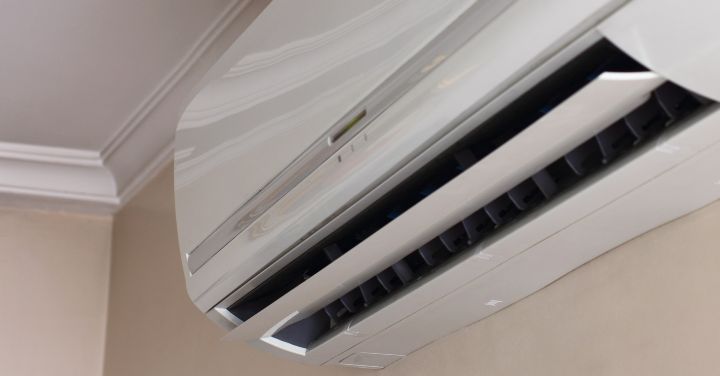
How to Prepare Your Mini Split for Spring in Floral Park
As winter fades and temperatures begin to rise, homeowners in Floral Park start thinking about getting their homes ready for warmer weather. One important task that often gets overlooked is preparing the mini split system for the spring and summer cooling season. Whether your mini split serves a single room or provides comfort throughout multiple areas of your home, proper maintenance can help ensure it operates efficiently and reliably when you need it most.
Mini split systems have become increasingly popular throughout New York because they offer energy-efficient heating and cooling without requiring extensive ductwork. However, like any HVAC system, mini splits require routine maintenance to perform at their best. Dust buildup, clogged filters, debris around outdoor units, and neglected cleaning can all reduce efficiency and affect indoor comfort.
Cool Clean Services helps homeowners throughout New York maintain healthier indoor environments and more efficient HVAC systems through professional cleaning services. By preparing your mini split for spring, you can reduce energy costs, improve comfort, enhance indoor air quality, and help extend the life of your equipment.
Why Spring Is the Best Time for Mini Split Maintenance
Spring serves as the perfect transition period between the heating demands of winter and the cooling demands of summer. Waiting until the first hot day of the year to turn on your mini split can lead to unpleasant surprises if maintenance issues have developed during the offseason.
Performing maintenance in the spring allows homeowners to:
- Identify developing problems early
- Improve cooling efficiency
- Reduce the risk of breakdowns
- Enhance indoor air quality
- Lower energy consumption
- Extend equipment lifespan
A little preventative maintenance can often prevent costly repairs and uncomfortable situations during peak summer temperatures.
Inspect the Indoor Unit
The indoor component of your mini split should be the first place you begin your spring maintenance routine.
Start with a visual inspection of the unit. Look for any signs of dust accumulation, discoloration, unusual moisture, or physical damage. Pay close attention to the air discharge area, louvers, and exterior housing.
Even if the system appears clean from a distance, dust and debris can accumulate over time and affect airflow.
Identifying minor issues during a simple inspection can often prevent larger problems later in the season.
Clean the Air Filters
One of the most important maintenance tasks for any mini split system is cleaning the air filters.
As the system operates, filters collect:
- Dust
- Pollen
- Pet dander
- Hair
- Airborne debris
- Household contaminants
When filters become clogged, airflow decreases and efficiency suffers.
The system must work harder to maintain desired temperatures, often resulting in higher energy bills and reduced comfort.
Most mini split filters can be removed and cleaned according to manufacturer recommendations. Spring is an excellent time to perform a thorough cleaning before cooling season begins.
Clean filters are one of the easiest and most effective ways to improve mini split efficiency.
Check for Airflow Restrictions
Proper airflow is essential for efficient cooling performance.
Many homeowners unintentionally block airflow around indoor units with furniture, curtains, shelving, or decorative items.
Walk through each room and ensure that the indoor unit has adequate space around it.
Restricted airflow can lead to:
- Uneven temperatures
- Reduced cooling performance
- Longer run times
- Increased energy usage
Keeping the area around the indoor unit clear allows conditioned air to circulate properly throughout the room.
Examine the Outdoor Condenser Unit
The outdoor unit works just as hard as the indoor component and deserves equal attention during spring maintenance.
Throughout the winter months, outdoor condensers can accumulate:
- Leaves
- Dirt
- Twigs
- Grass clippings
- Debris from storms
Inspect the area surrounding the unit and remove any debris that may obstruct airflow.
Maintaining adequate clearance around the condenser helps support efficient heat transfer and proper system operation.
The outdoor unit should have plenty of open space to allow unrestricted airflow.
Inspect Refrigerant Line Insulation
Mini split systems rely on insulated refrigerant lines to move heat efficiently between indoor and outdoor components.
During your spring inspection, examine any visible line sets for signs of wear or damage.
Look for:
- Cracked insulation
- Missing insulation sections
- Physical damage
- Signs of weather exposure
Damaged insulation can reduce system efficiency and increase cooling costs.
If issues are identified, professional service may be needed to restore proper protection.
Test Cooling Operation Early
Do not wait until the hottest day of the year to find out whether your system is functioning properly.
Spring is the ideal time to test cooling operation while temperatures remain moderate.
Run the system in cooling mode and observe:
- Airflow strength
- Cooling speed
- Temperature consistency
- System responsiveness
- Noise levels
If the unit struggles to cool effectively or produces unusual sounds, addressing the issue early may help avoid peak-season service delays.
Testing the system now provides peace of mind heading into summer.
Improve Indoor Air Quality Before Allergy Season Peaks
Spring in Floral Park often brings increased pollen levels and seasonal allergens.
Because mini split systems continuously circulate indoor air, keeping system components clean can help support healthier indoor conditions.
Indoor air quality strategies may include:
- Cleaning filters regularly
- Reducing dust accumulation
- Vacuuming frequently
- Managing pet dander
- Keeping indoor surfaces clean
Cleaner HVAC components can help reduce the circulation of airborne particles throughout the home.
This can be particularly beneficial for allergy sufferers during spring and summer.
Watch for Signs of Drainage Issues
Mini split systems remove moisture from indoor air during cooling operation.
That moisture exits the system through a condensate drain line.
If drainage problems develop, homeowners may notice:
- Water around the indoor unit
- Musty odors
- Visible moisture
- Reduced performance
Spring maintenance provides an opportunity to ensure the drainage system is functioning properly before humidity levels increase.
Addressing drainage concerns promptly can help prevent moisture-related issues.
Consider Professional Mini Split Cleaning
While homeowners can handle many basic maintenance tasks, professional cleaning provides a deeper level of care.
Over time, internal components can accumulate dust, debris, and biological contaminants that are difficult to remove without specialized equipment.
Professional mini split cleaning may include:
- Evaporator coil cleaning
- Blower cleaning
- Drain line inspection
- System performance evaluation
- Airflow testing
Removing buildup from critical components helps maximize efficiency and improve indoor air quality.
Professional maintenance can also identify small issues before they become expensive repairs.
Monitor Energy Usage
Mini split systems are known for their energy efficiency, but performance can decline if maintenance is neglected.
Spring is a good time to review recent utility bills and establish a baseline for summer energy usage.
Signs that efficiency may be declining include:
- Increasing utility costs
- Longer cooling cycles
- Reduced comfort
- Uneven temperatures
Addressing maintenance concerns before summer arrives helps keep operating costs under control.
Efficient systems generally provide better comfort while consuming less energy.
Take Advantage of Zoning Features
One of the biggest benefits of mini split systems is the ability to create customized comfort zones throughout the home.
Spring is an excellent time to review your zone settings and adjust them to fit seasonal needs.
Effective zoning allows homeowners to:
- Reduce energy waste
- Improve comfort
- Control temperatures independently
- Avoid cooling unused spaces
Using zoning strategically can significantly improve overall system efficiency during summer.
Many homeowners find this flexibility to be one of the most valuable features of mini split technology.
Avoid Common Mini Split Maintenance Mistakes
Several common mistakes can reduce mini split performance and efficiency.
These include:
- Ignoring dirty filters
- Blocking airflow around units
- Neglecting outdoor condenser cleaning
- Skipping professional maintenance
- Waiting until summer to test the system
A proactive approach to maintenance helps avoid many of these issues.
Small preventative measures often produce significant long-term benefits.
Final Thoughts about Mini Split Maintenance
Preparing your mini split for spring is one of the smartest ways to ensure reliable cooling performance throughout the warmer months in Floral Park. From cleaning filters and inspecting airflow to testing cooling operation and scheduling professional maintenance, these simple steps can improve comfort, reduce energy costs, and extend the life of your system.
Cool Clean Services helps New York homeowners maintain cleaner, healthier, and more efficient HVAC systems through professional cleaning and maintenance services. By investing a little time in spring preparation, you can enjoy dependable comfort and improved indoor air quality all summer long.
Frequently Asked Questions
How often should mini split filters be cleaned?
Most mini split filters should be checked monthly and cleaned as needed, especially during periods of heavy heating or cooling use.
Why should I service my mini split before summer?
Spring maintenance helps identify issues before peak cooling season and improves system efficiency and reliability.
Can dirty filters increase energy bills?
Yes. Dirty filters restrict airflow, causing the system to work harder and consume more energy.
Should the outdoor unit be cleaned every spring?
Yes. Removing leaves, dirt, and debris helps maintain proper airflow and efficient operation.
Is professional mini split cleaning worth it?
Professional cleaning removes buildup from internal components that homeowners cannot easily access, helping improve performance, efficiency, and indoor air quality.